Lisbon, Portugal: Hills, Tiles, and the Rise of Europe's Affordable Capital
Lisbon has become a magnet for digital nomads, remote workers, and travelers seeking Southern European charm without London or Paris prices. A guide to its neighborhoods, history, and practical realities.
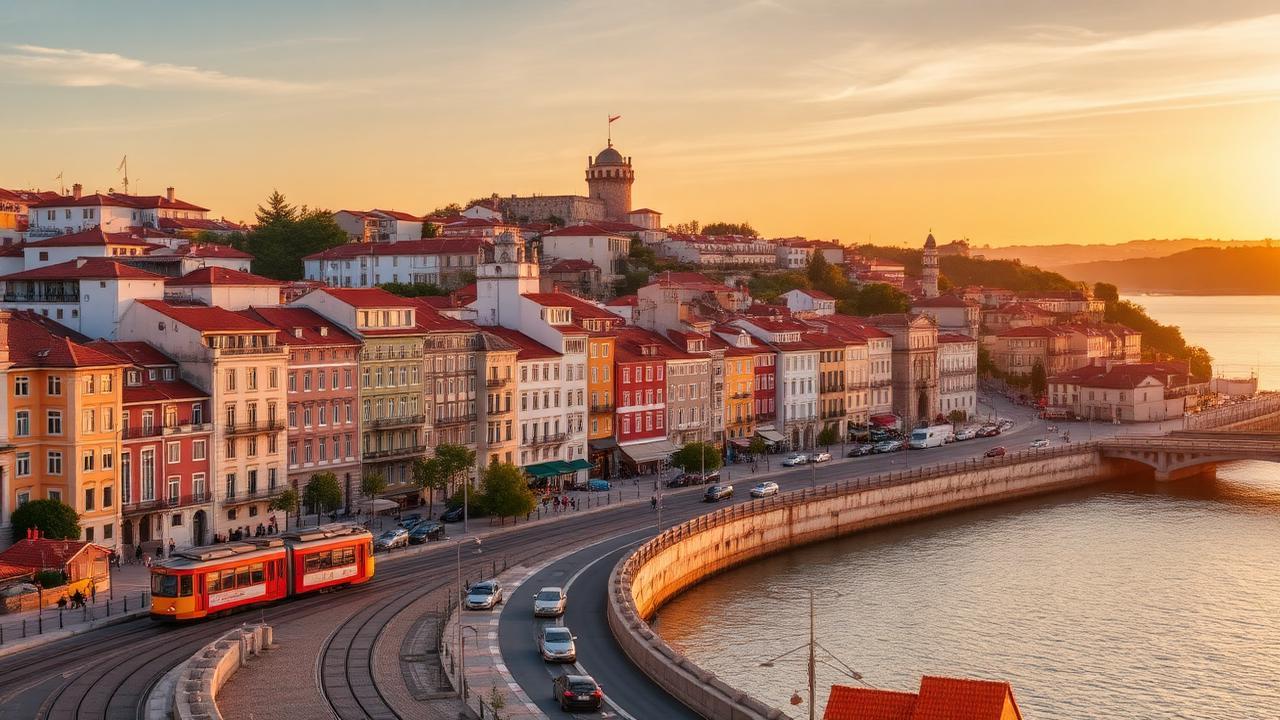
Lisbon, Portugal: Hills, Tiles, and the Rise of Europe’s Affordable Capital
Lisbon has quietly become one of Europe’s most consequential cities. Not because it is the largest " it is not " but because it has positioned itself as an alternative. An alternative to London’s costs, to Paris’s formality, to Berlin’s gray winters. For digital nomads, remote workers, retirees, and travelers, Lisbon offers something increasingly rare: a Western European capital that still feels accessible.
The city sits on seven hills where the Tagus River meets the Atlantic. Its streets are paved with calçada, the distinctive Portuguese mosaic tilework. Its neighborhoods range from the Moorish maze of Alfama to the grid-plan order of Baixa, from the bohemian nights of Bairro Alto to the waterfront regeneration of Parque das Nações.
Lisbon is also in transition. Tourism has surged. Rents have climbed. The same qualities that made it affordable are eroding. Understanding Lisbon now means understanding both its appeal and its tensions.
The Neighborhoods: Where Lisbon Lives
Alfama is the oldest neighborhood, surviving the 1755 earthquake largely intact. Its narrow, winding streets climb from the river to São Jorge Castle. Laundry hangs from balconies. Fado music drifts from open windows in the evening. It is touristy, yes, but early morning " before the tuk-tuks arrive " Alfama feels like a village.
Baixa and Chiado form the downtown grid, rebuilt after the 1755 earthquake under the Marquis of Pombal. Baixa is commercial and orderly, with grand squares and shopping streets. Chiado, above it, is more literary and elegant, with historic cafés (A Brasileira, where poet Fernando Pessoa once wrote) and bookshops.
Bairro Alto comes alive after dark. By day, its streets are quiet, with laundry and graffiti. By night, they fill with people spilling from small bars onto the cobblestones. It is Lisbon’s nightlife heart, though residents have pushed back against noise and gentrification.
PrÃncipe Real and Avenida da Liberdade represent Lisbon’s more polished side " boutique shops, designer stores, and leafy squares. PrÃncipe Real has become popular with LGBTQ+ communities and younger creatives.
Belém, west of the center, is where Portugal’s Age of Exploration began. The Jerónimos Monastery and Belém Tower are UNESCO sites. The nearby Pastéis de Belém bakery has sold custard tarts since 1837.
Parque das Nações, built for the 1998 World Expo, shows Lisbon’s modern face " contemporary architecture, the Oceanarium (one of Europe’s largest aquariums), and a cable car over the river.
What to See and Do
São Jorge Castle overlooks the city from its highest hill. The views encompass the red-tiled roofs, the river, and the 25 de Abril Bridge (which resembles San Francisco’s Golden Gate " it was built by the same company).
Tram 28 is the iconic yellow tram that winds through Graça, Alfama, Baixa, and Estrela. It is also famously crowded with tourists. Ride it early in the morning or consider taking it only part of the way, then walking.
Miradouros (viewpoints) are scattered across the city’s hills. Miradouro de Santa Luzia, Miradouro das Portas do Sol, and Miradouro da Senhora do Monte offer different perspectives on the cityscape. The latter, highest of the traditional viewpoints, is popular at sunset.
LX Factory, under the 25 de Abril Bridge in Alcântara, is a former industrial complex converted into bookshops, restaurants, and creative offices. It is the epicenter of Lisbon’s creative class " and a symbol of the city’s regeneration.
Time Out Market in Mercado da Ribeira gathers many of Lisbon’s best restaurants and food stalls under one roof. It is tourist-oriented but genuinely good for sampling Portuguese dishes in one visit.
Cost of Living and the Digital Nomad Question
Lisbon’s affordability is relative. Compared to London, Amsterdam, or Zurich, it is cheap. Compared to Porto, or to Lisbon itself five years ago, it is expensive.
Rent: A one-bedroom apartment in central Lisbon now costs €1,200-€1,800 per month, with prices continuing to rise. Outer neighborhoods and suburbs (Almada, across the river; Loures, to the north) remain more affordable.
Food: A meal at a casual restaurant costs €12-€20. A pastel de nata (custard tart) costs €1-€1.50. Groceries are reasonably priced, especially at local markets.
Transport: A single metro or bus ticket costs €1.65 (or €1.50 with the Viva Viagem card). A 24-hour pass costs €6.80. Uber and Bolt operate throughout the city.
Visas: Portugal offers several residency paths. The D7 visa is for retirees and those with passive income. The Digital Nomad Visa (introduced in 2022) is for remote workers employed outside Portugal. The Golden Visa requires significant investment but has faced political scrutiny and may change.
Food and Drink
Portuguese cuisine is Atlantic, not Mediterranean. Bacalhau (salted cod) is said to have 365 preparations " one for each day of the year. Grilled sardines (sardinhas assadas) are a summer staple, particularly during Lisbon’s Santo António festival in June.
Pastel de nata is the iconic pastry " a custard tart with caramelized top, best eaten warm with cinnamon. The original is at Pastéis de Belém, but excellent versions exist throughout the city.
Ginjinha is a sour cherry liqueur, often served in a chocolate cup or shot glass. Ginjinha Sem Rival and A Ginjinha in Rossio are historic spots.
Portuguese wine " particularly vinho verde (young, slightly effervescent white wine) and reds from the Douro and Alentejo " offers excellent value.
Practical Considerations
Language: Portuguese is the language. English is widely spoken in tourism, hospitality, and among younger residents. Older locals may speak little English. Learning basic Portuguese (obrigado, por favor, desculpe) goes a long way.
Transportation: Lisbon is walkable but hilly. The metro is clean and efficient. Trams are iconic but slow and crowded. Tuk-tuks are expensive but useful for short uphill trips in Alfama.
Safety: Lisbon is generally safe. Pickpocketing occurs in tourist areas (Tram 28, Praça do Comércio, popular viewpoints). Standard precautions apply.
Internet: Broadband and mobile coverage are good, supporting Lisbon’s digital nomad community. Coworking spaces are concentrated in Chiado, PrÃncipe Real, and Parque das Nações.
The Tension Beneath the Charm
Lisbon’s popularity has created friction. Short-term rentals (Airbnb, etc.) have reduced long-term housing stock. Local residents are being priced out of historic neighborhoods. Gentrification in Alfama, Mouraria, and Madragoa has displaced communities that lived there for generations.
The Portuguese government has responded with measures including new rent controls, restrictions on new short-term rental licenses in certain areas, and tax incentives for long-term leases. Whether these will be sufficient remains to be seen.
For visitors, this means Lisbon is still welcoming " but it is no longer the undiscovered secret it was a decade ago. Traveling here responsibly means staying in locally owned accommodation, eating at neighborhood restaurants, and being aware that your presence has an impact on a city still negotiating its identity.
Frequently Asked Questions
Is Lisbon expensive for tourists? Lisbon is moderately priced. It is cheaper than most Western European capitals but more expensive than Eastern European cities. Expect to spend €60-€100 per day for mid-range travel.
How many days in Lisbon? Three days covers the main neighborhoods and sights. Five to seven days allows day trips to Sintra, Cascais, or Évora.
Is Lisbon safe? Yes, Lisbon is one of Europe’s safer capitals. Violent crime is rare. Pickpocketing is the main concern in tourist areas.
Do digital nomads like Lisbon? Lisbon is among Europe’s most popular digital nomad destinations, thanks to its climate, cost of living, visa options, and coworking infrastructure.
What is the best time to visit Lisbon? Spring (March to May) and autumn (September to October) offer pleasant temperatures and fewer crowds. July and August are hot and busy. Winter is mild but rainy.