Kyoto, Japan: Temples, Tea Houses, and the Art of Slow Travel
Kyoto remains Japan's cultural heart, with over 1,600 Buddhist temples, traditional geisha districts, and seasonal beauty that changes with cherry blossoms and autumn leaves. A practical guide for travelers seeking depth over speed.
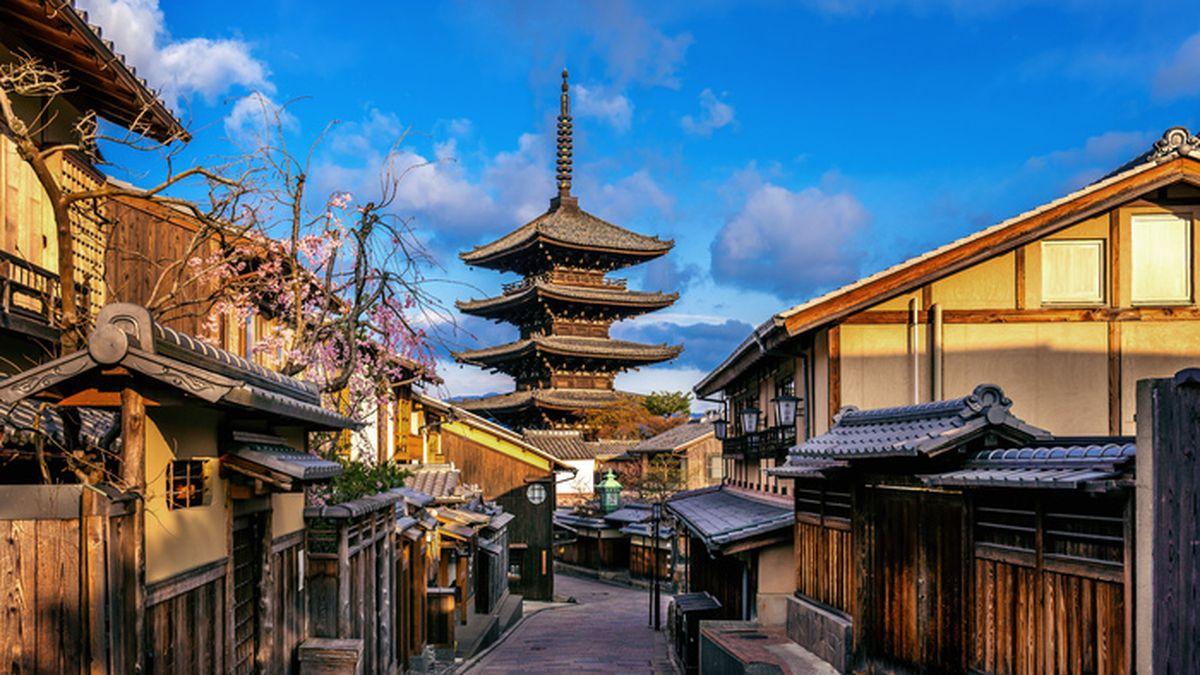
Kyoto, Japan: Temples, Tea Houses, and the Art of Slow Travel
Tokyo is Japan’s engine " neon, speed, and vertical growth. Kyoto is its memory. For more than a thousand years, Kyoto served as Japan’s imperial capital, and the city still carries that weight. With over 1,600 Buddhist temples, 400 Shinto shrines, and preserved wooden neighborhoods, Kyoto is where Japan’s traditional culture feels most alive.
But Kyoto is not a museum. It is a living city of 1.4 million people, where salarymen in suits walk past geisha in silk kimonos, where convenience stores sit beside 14th-century Zen gardens, and where the seasons dictate the rhythm of daily life more than the calendar.
For travelers, Kyoto rewards patience. The most famous sites are crowded, yes " but the city’s deeper pleasures require walking slowly, getting slightly lost, and returning to the same temple at different times of day.
The Temples and Shrines That Define Kyoto
Kyoto’s religious architecture spans centuries and styles. Understanding the difference between a Buddhist temple (tera or ji) and a Shinto shrine (jinja) helps you read the city.
Kinkaku-ji (The Golden Pavilion) is the most photographed building in Kyoto. A Zen temple covered in gold leaf, it sits beside a pond that reflects its shimmering upper floors. It was originally built as a retirement villa for shogun Ashikaga Yoshimitsu in 1397 and converted into a temple after his death. The current structure dates from 1955, after a monk burned the original down in 1950.
Fushimi Inari-taisha is famous for its thousands of vermilion torii gates that wind up Mount Inari. Each gate was donated by a business or individual, inscribed with the donor’s name. The main path takes two to three hours to walk, but most visitors stop after the first few hundred gates. The crowds thin dramatically after the first hour of hiking.
Kiyomizu-dera perches on a hillside in eastern Kyoto, its wooden stage jutting out over the hillside without a single nail. The temple is particularly beautiful during cherry blossom season in April and autumn leaf season in November, when the surrounding maples turn brilliant red and orange.
Ginkaku-ji (The Silver Pavilion) offers a quieter alternative to Kinkaku-ji. Despite its name, it was never actually covered in silver. Its moss garden and sand cone (designed to reflect moonlight) represent a more austere, contemplative aesthetic.
Gion: The Geisha District
Gion is Kyoto’s most famous geisha district, with wooden machiya townhouses, teahouses, and stone-paved streets. Seeing a geisha or maiko (apprentice geisha) in full kimono and white makeup walking to an evening appointment is still possible " but they are working professionals, not tourist attractions.
Hanamikoji Street is the main thoroughfare, lined with exclusive restaurants and ochaya (teahouses where geisha entertain). Shijo-dori runs parallel, more commercial and crowded. The side streets " particularly those north of Hanamikoji " offer the most atmospheric walks, especially in early morning before the tour groups arrive.
Important etiquette: Do not follow geisha or maiko to take photos. Do not touch their kimonos. In recent years, some streets in Gion have restricted photography entirely to protect residents’ privacy. Respect the signs.
Seasonal Kyoto: When to Visit
Kyoto changes dramatically with the seasons, and the city’s identity shifts with them.
Spring (late March to early April): Cherry blossoms (sakura) transform the city. Maruyama Park, the Philosopher’s Path, and the temples along the Kamo River fill with picnickers. This is the most popular " and most crowded " time to visit.
Summer (June to August): Hot and humid, with temperatures often exceeding 35°C (95°F). The Gion Matsuri festival in July is one of Japan’s most famous, with massive parade floats and night markets. Visit temples early in the morning to avoid heat and crowds.
Autumn (mid-November to early December): Kyoto’s second peak season. The temple gardens explode with red, orange, and yellow maple leaves. Eikando Temple and Tofuku-ji are particularly renowned for autumn colors.
Winter (December to February): Fewer tourists, cooler temperatures, and occasional snow dusting temple roofs. Some temples offer special night illuminations during December.
Practical Travel Advice
Getting around: Kyoto’s bus network covers most tourist sites but can be slow and crowded. The subway has two lines that are useful for north-south travel. Many visitors rent bicycles " Kyoto is flat and compact enough to explore by bike, and cycling between temples in Higashiyama is more pleasant than waiting for buses.
Where to stay: Central Kyoto (around Kyoto Station) offers convenience and transport connections. Higashiyama and Gion offer atmosphere but are more expensive and crowded. Northern Kyoto (around Kinkaku-ji and Daitoku-ji) is quieter and more residential.
What to eat: Kyoto cuisine (Kyo-ryori) emphasizes seasonal, delicate flavors. Try kaiseki (multi-course haute cuisine), yudofu (simmered tofu, a temple specialty), matcha sweets, and obanzai (home-style side dishes). Nishiki Market is the city’s culinary arcade, worth visiting for snacks and ingredients.
Temple etiquette: Remove shoes where required. Speak quietly. Do not touch artifacts or climb on structures. Some inner sanctuaries prohibit photography entirely.
Why Kyoto Still Matters
In an era of overtourism, Kyoto struggles with its own popularity. Certain temples now require advance reservations. Some streets in Gion have banned tourism altogether. The challenge for visitors is to experience Kyoto without contributing to its erosion.
The answer is the same as it has always been: slow down. Visit the famous sites early or late. Explore the neighborhoods without a checklist. Eat where locals eat. Kyoto’s greatest gift is not its temples " though they are magnificent " but its reminder that some things cannot be rushed. Culture, craft, and contemplation require time.
Frequently Asked Questions
How many days do you need in Kyoto? Three to four days allows you to see the major temples and neighborhoods without rushing. A week lets you explore at a slower pace and take day trips to Nara or Osaka.
Is Kyoto expensive? Kyoto is moderately priced compared to Tokyo. Temple admissions typically cost 400-600 yen. Budget accommodation starts around 8,000-12,000 yen per night; mid-range hotels cost 15,000-25,000 yen.
Do you need to speak Japanese in Kyoto? No. Major tourist sites, hotels, and restaurants have English signage and staff who speak basic English. Learning a few Japanese phrases (arigato, sumimasen, konnichiwa) is appreciated but not required.
Can you see geisha in Kyoto? Yes, particularly in Gion district in the early evening as geisha and maiko travel to appointments. They are working professionals " observe from a distance and do not follow or photograph them without permission.
What is the best way to get from Tokyo to Kyoto? The Shinkansen (bullet train) takes about 2 hours and 15 minutes and is the most convenient option. Buses are cheaper but take 7-8 hours.