
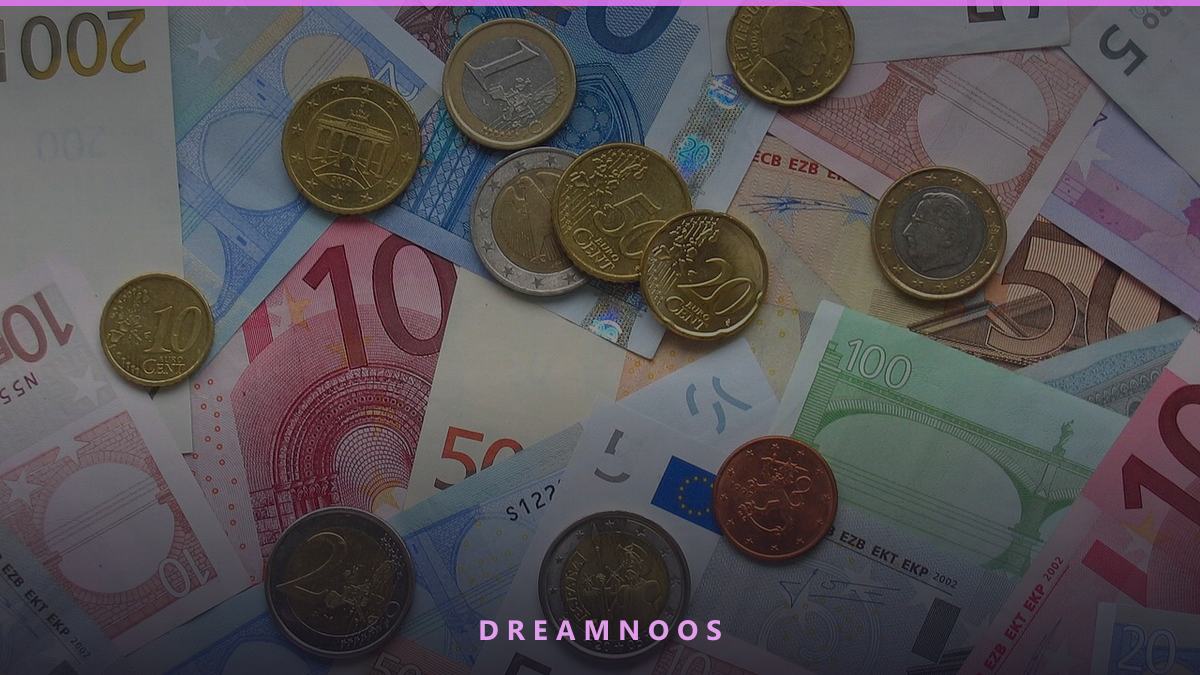
What a wealth dream means
Wealth dreams are value-and-security dreams. They usually reflect the dreamer’s relationship with stability, ambition, and responsibility load.
Classical readings of wealth dreams
Classical readings frequently treat wealth as both blessing and test. Acquisition alone is not enough; source and use determine meaning.
Wealth symbolism
- Gaining wealth -> expansion opportunity.
- Losing wealth -> instability fear.
- Counting wealth -> control and verification.
- Hidden wealth -> unrecognized capacity.
The psychology of wealth dreams
Psychological frameworks read wealth imagery as self-worth, safety regulation, and status-comparison processing.
How context changes a wealth dream
- Sudden wealth: rapid-change anxiety.
- Inherited wealth: legacy burden.
- Shared wealth: trust and responsibility distribution.
Positive/negative interpretation conditions
Positive lane strengthens with purposeful use and calm stewardship. Cautionary lane strengthens with panic, hoarding, theft fears, or compulsive counting.
Common wealth dream scenarios
- Becoming rich overnight.
- Finding money/gold.
- Losing savings.
- Counting cash repeatedly.
Non-obvious interpretive insights
- Wealth volume often matters less than emotional response.
- Repeated counting scenes track control insecurity.
- Hidden-money motifs can indicate underused competence.
- Luxury-with-anxiety scenes may reflect fragile status identity.
- Shared-prosperity scenes signal trust maturity.
- Sudden-loss dreams often surface during transition uncertainty.
- Locked-safe imagery may map emotional guardedness.
- Clean vs dirty money can shift ethical interpretation lane.
Emotional branching
- Wealth + gratitude -> stable abundance orientation.
- Wealth + fear -> loss vigilance and overcontrol.
- Wealth + shame -> legitimacy anxiety.
- Wealth + relief -> security restoration.
High-intent variants (micro-intent map)
- Becoming rich dream meaning.
- Losing wealth dream meaning.
- Counting money dream meaning.
- Hidden money dream meaning.
- Stealing money dream meaning.
- Inheriting wealth dream meaning.
Comparative cultural lens
- Islamic lens: lawful earning and responsibility in use.
- Jungian lens: psychic value and power integration.
- Christian lens: stewardship, generosity, and attachment warning.
- Persian courtly lens: status, duty, and reputation burden.
Observed recurring patterns
- Recurring wealth-loss dreams are frequently reported during economic uncertainty phases.
- Repeated counting-money motifs often cluster around control-stress cycles.
- Shared-wealth scenes commonly appear when collaboration trust rises.
Common co-occurring symbols
- Wealth + safe/chest: protection and trust concerns.
- Wealth + family: intergenerational duty and expectations.
- Wealth + gold/ring: value identity and commitment to status.
Interpretive contradictions
- Wealth gain is not always positive; it can amplify responsibility overload.
- Wealth loss is not always negative; it may detach identity from fragile status metrics.
Source-anchored notes
- Traditional literature regularly treats wealth as a moral and practical stewardship test.
- Modern interpretation emphasizes security psychology, comparison stress, and value alignment.
Entity psychology — wealth
Core symbol — wealth anchors the dream’s central metaphor. Context first — Setting and emotion around wealth beat generic glossaries. Role in scene — Witness, victim, tool, or background wealth changes weight. Waking link — Recent news, media, or memory featuring wealth primes fairly. Agency — Whether you act on wealth or watch passively. Repeat visits — Same wealth returning marks unresolved theme—not omen.
Traits to track: instinct, wild mirror, unclassified creature.
What wealth represents in dreams
- Core wealth symbol — Your waking associations to wealth anchor the read before any glossary.
- Setting layer — Home, travel, work, or nature calibrates tone and scale.
- Your role — Witness, cause, rescuer, or fugitive shifts agency.
- Emotion on waking — Fear, grief, relief, or shame tilts integration vs avoidance.
- Vs cluster links — Compare related hub pages in your graph—not interchangeable symbols.
Extended psychological read
Psychologically, Wealth in a Dream maps emotion about wealth under presence force—witness vs actor, familiar vs stranger. One honest waking link beats catalog prophecy.
Wealth dreams across cultures and traditions
Classical dream manuals emphasize context over isolated symbols; combine tradition as metaphor library with waking facts you already know.
More wealth dream scenarios
You search for wealth. Active missing theme.
Someone else holds wealth. Compare their role to yours.
Familiar wealth, calm scene. Personal memory over archetype alone.
Night after media with wealth. Priming fair—name source.
Wealth in wrong setting. Context dissonance calibrates read.
Stranger wealth in crowd. Projection—social mirror.
Return to same wealth next night. Repeat motif—not prophecy.
You explain dream to someone. Integration—listener reaction matters.
You act on wealth. Agency tilts repair vs avoidance.
Wealth changes form. Symbol shift mid-dream—track sequence.
Negative signals vs positive signals
| Signal type | Scene cue | Read |
|---|---|---|
| Strain | Panic, no action | Anxiety loop on wealth |
| Strain | Stranger wealth, no context | Archetype overload |
| Repair | Care or rescue acted | Agency after {attr} |
| Repair | Calm after naming feeling | Integration arc |
How to read your wealth dream
- Familiar or archetype — Known wealth vs stranger figure.
- Intensity — Mild unease vs full panic around wealth.
- Agency check — Could you influence wealth or frozen?
- Contrast hub — How this differs from plain wealth dreams.
- Next step — One waking boundary or care act tied to symbol.
More wealth dream questions
Vs similar symbols? Wealth psychology differs from swap-in entities—use cluster contrasts.
Childhood memory of wealth? Personal history outweighs generic omen lists.
Nightmare vs curious dream? Waking emotion calibrates threat, not dictionary alone.
Recurring wealth? Track one waking theme per week—pattern over single night.
What your wealth dream is telling you
Name one role you played, one emotion on waking, and one waking link to wealth. Revisit cluster pages when wealth repeats—integration beats prophecy spiral.
Snippet-oriented recap
Wealth dreams map instinct, wild mirror, unclassified creature through scene context. Link related hub entries—not fixed omen gloss alone.
Share Your Dream Experience
Had a similar dream? Share your experience or ask a question — comments appear after moderation.
No comments yet. Be the first to share your experience.