
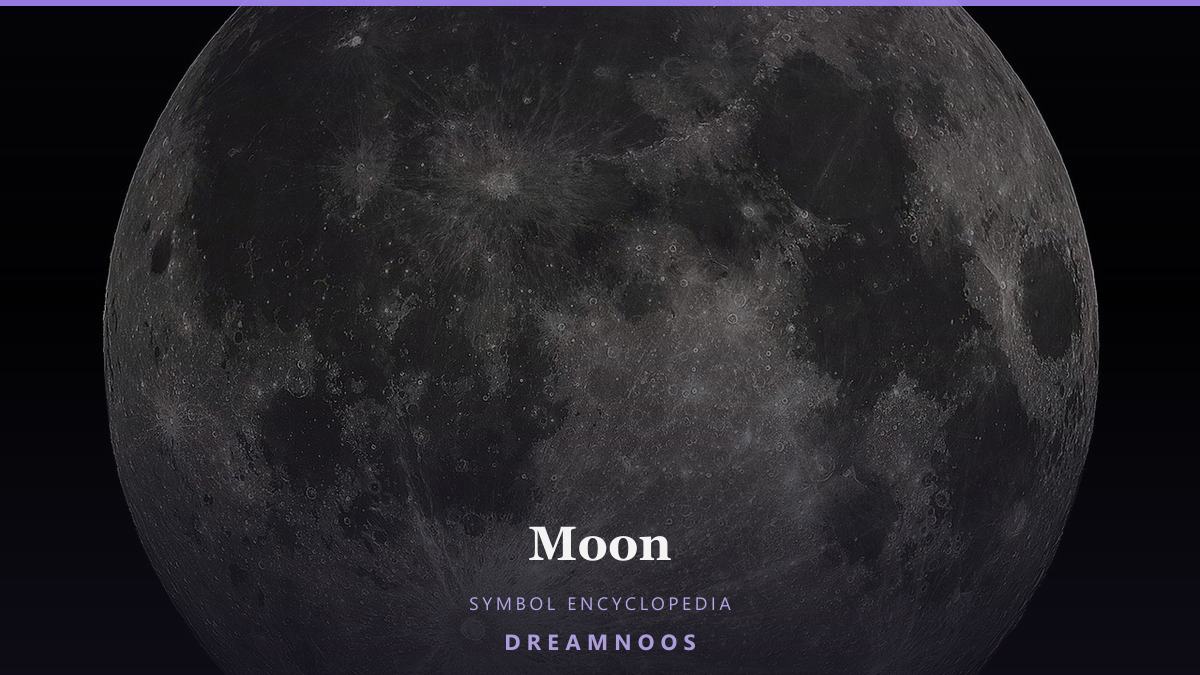
Moon
Moon symbolism in dreams — cycles, femininity archetypes, night light, mood tides, and reflective distance.
The dream moon is not astronomy homework — it is rhythm made visible. Phases, eclipses, oversized moons low on horizon each carry cycle, mood, and night-world logic distinct from solar waking ambition.
Classical layers
Cycles and timing. New to full to wane — project phases, grief waves, hormonal metaphors readers supply.
Night and unconscious. Moonlight reveals what sun logic ignores — soft, eerie, partial.
Feminine archetype (use carefully). Lunar imagery historically gendered; DreamNoos reads as receptive, reflective, intuitive aspects of any dreamer.
Omen and romance. Full moon expectations prime vivid recall — see moon dream guides.
Psychological reading
Multiple moons — confusion or amplified intuition. Moon falling — feared loss of guidance.
Pairings
Moon plus ocean tides. Moon plus wolf pack howl folklore.
Further reading
Moon calendar. The Moon tarot. Cancer optional mirror.
The moon asks which phase you are in — and whether you honor the dark half of the cycle.
Phase, reflection, and the half you do not see
The moon has three properties that dreams use, and they are largely independent of one another.
It changes on a cycle. The moon is the most visible periodic thing in the sky, and it has served as the basic unit of timekeeping across most of human history. Dreams that emphasise phase — crescent, full, waning, dark — tend to concern where the dreamer is in a cycle rather than where they are in a straight line. This matters interpretively, because a great many waking situations are cyclical and get misread as linear failures: recurring low periods, returning difficulties, patterns that come round again.
It reflects rather than emits. Moonlight is sunlight at second hand. That gives the moon its long association with the receptive, the indirect, and the perceived-rather-than-known — and it is why the symbol attaches so consistently to intuition. Dreams lit by moonlight tend to concern material the dreamer apprehends without evidence.
It shows one face. The same hemisphere always faces the earth. The far side is not dark, but it is permanently unseen, and the symbolic weight of that is considerable: something present, constant, and never directly observed.
The full moon and the dark moon
These two extremes account for most moon dreams and read almost oppositely.
The full moon is the most reported and carries associations with heightened states — visibility, intensity, exposure, and in folklore with transformation and madness. The lunar-lunacy connection is not supported by evidence, but it is culturally live enough that dreamers frequently import it, and where they do, the dream is drawing on that association whatever its scientific status.
The dark or new moon is under-reported and consistently significant. Absence rather than presence, and dreams that turn on it tend to accompany fallow periods — points where something is being gestated rather than displayed, and where the dreamer often feels they are producing nothing.
A moon that behaves wrongly — too large, too close, multiple moons, a moon that falls — belongs to a different register and generally accompanies periods where something fundamental in the dreamer’s frame of reference has shifted.
How to read a moon-coded dream
1. What phase? The single most informative detail, and one dreamers usually retain.
2. Is it behaving normally? Anomalous moons signal disruption at a basic level.
3. What does the moonlight show? Dreams lit by the moon often conceal as much as they reveal, and what remains obscure matters.
4. Where are you in your own cycles? Moon dreams frequently arrive at recurring points rather than at unique events.
5. Is anyone else looking at it? Shared observation shifts the reading toward something collectively felt rather than privately known.
What this hub aggregates
The DreamNoos moon hub collects dream topics turning on the moon and moonlight — including full moons, dark moons, anomalous or falling moons, and scenes lit by moonlight rather than daylight. Sideways it points to transformation, where the cycle reading lands, and to the water and ocean hubs, which share the tidal and reflective vocabulary. Readers tracking lunar phase in waking practice may find the moon calendar a useful adjacent reference — context rather than interpretation.
One practical note: dreamers frequently report vivid moon imagery during periods of disrupted sleep, and the association of the moon with wakefulness has an ordinary explanation alongside the symbolic ones — a bright night is a poorly slept one. Where moon dreams cluster with insomnia, both readings can be true at once.
Real-world reference: Moon on Wikipedia — for the literal, non-symbolic background on moon.
Explore Moon beyond dreams
This symbol hub covers dream interpretation. You can also explore moon through tarot, astrology, and angel numbers — reflective lenses, not competing truths.
Related tarot cards
Related zodiac signs
Angel numbers
Describe your dream in the interpreter — try keywords like moon lunar full moon
Dreams featuring moon
- Big Moon in a Dream Big Moon dreams show moon appears at enlarged scale—symbol and transition under big, with witness, rescue, or release scenes.
- Black Moon in a Dream Black Moon dreams show moon appears in shadow tone—symbol and transition under black, with witness, rescue, or release scenes.
- Blue Moon in a Dream Blue Moon dreams show moon holds cool distance tone—symbol and transition under blue, with witness, rescue, or release scenes.
- Broken Moon in a Dream Broken Moon dreams show moon fractures without ending—symbol and transition under broken, with witness, rescue, or release scenes.
- Burning Moon in a Dream Burning Moon dreams show moon consumes in crisis—symbol and transition under burning, with witness, rescue, or release scenes.
- Clean Moon in a Dream Clean Moon dreams show moon shows purified reset—symbol and transition under clean, with witness, rescue, or release scenes.
- Dead Moon in a Dream Dead-moon dreams darken the night light—cycles interrupted, intuition muted, mood without reflection, or guidance that no longer shines on the path.
- Dirty Moon in a Dream Dirty Moon dreams show moon shows soiled or stained layer—symbol and transition under dirty, with witness, rescue, or release scenes.
- Dying Moon in a Dream Dying Moon dreams show moon fades in process—symbol and transition under dying, with witness, rescue, or release scenes.
- Falling Moon in a Dream Falling Moon dreams show moon drops from height—symbol and transition under falling, with witness, rescue, or release scenes.
- Golden Moon in a Dream Golden Moon dreams show moon shines as valued ideal—symbol and transition under golden, with witness, rescue, or release scenes.
- Green Moon in a Dream Green Moon dreams show moon carries living growth tone—symbol and transition under green, with witness, rescue, or release scenes.
- Red Moon in a Dream Red Moon dreams show moon shows urgent vivid tone—symbol and transition under red, with witness, rescue, or release scenes.
- Silver Moon in a Dream Silver Moon dreams show moon reflects as secondary tone—symbol and transition under silver, with witness, rescue, or release scenes.
- Small Moon in a Dream Small Moon dreams show moon appears at reduced scale—symbol and transition under small, with witness, rescue, or release scenes.
- White Moon in a Dream White Moon dreams show moon appears in pale clarity—symbol and transition under white, with witness, rescue, or release scenes.
- Yellow Moon in a Dream Yellow Moon dreams show moon glows with bright caution—symbol and transition under yellow, with witness, rescue, or release scenes.
- Wolf in a Dream Wolf dreams split between pack threat and lone instinct—hidden enemy, wild teacher, or the part of you that refuses to stay domesticated.
- Moon in a Dream A layered interpretation of moon dreams through emotional cycles, reflective awareness, hidden phases, and timing.
- Night in a Dream Night dreams often map the unknown, rest, fear of darkness, and journeys through what you cannot see clearly — distinct from moon-specific symbolism. Direct answers for peaceful night, fearful dark, night travel, and Islamic worship-or-trial reads.
Share Your Dream Experience
Had a similar dream? Share your experience or ask a question — comments appear after moderation.
No comments yet. Be the first to share your experience.