Urban Gardening: Growing Food in Small Spaces Without a Backyard
Urban gardening is booming as city dwellers grow herbs, vegetables, and fruit on balconies, windowsills, and rooftops. A practical guide to starting a garden in apartments, small yards, and shared community spaces.
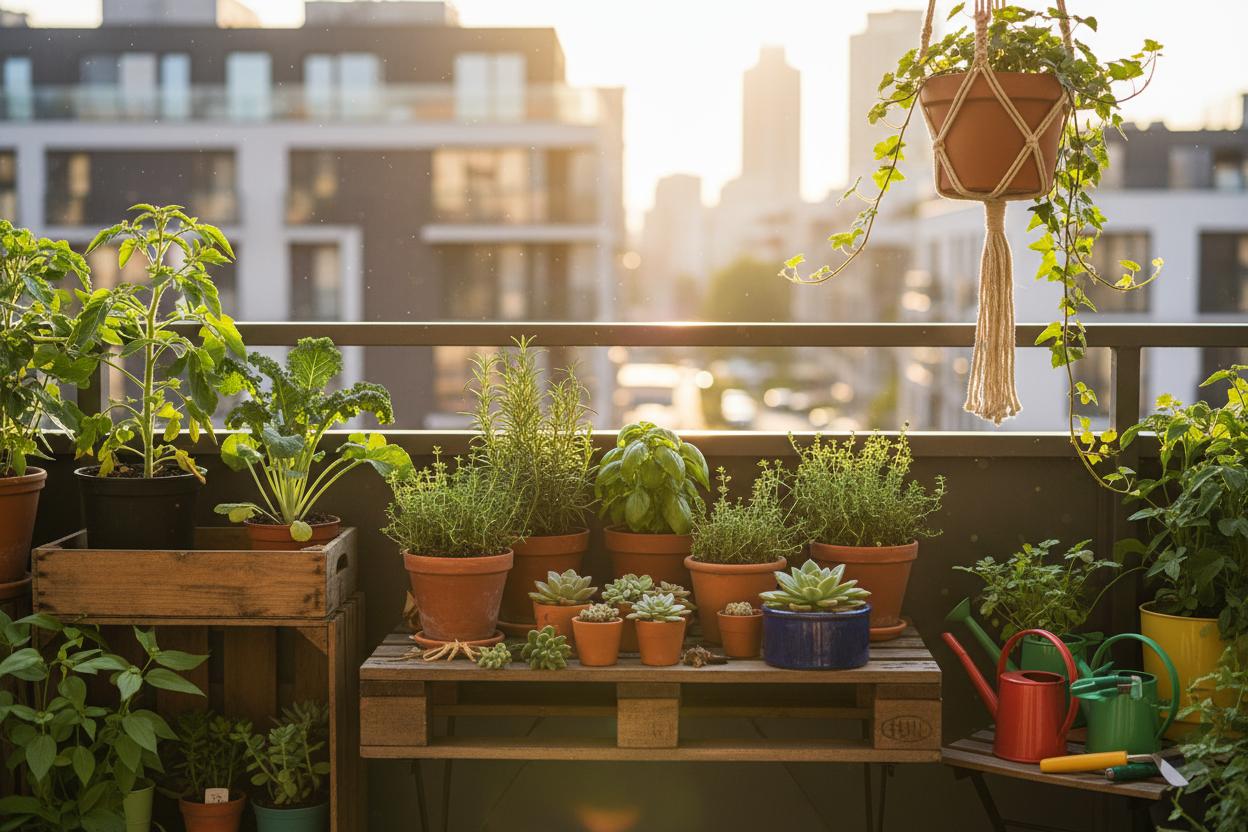
Urban Gardening: Growing Food in Small Spaces Without a Backyard
You do not need a backyard to grow food. A sunny windowsill, a balcony railing, a fire escape, or a community garden plot is enough. Urban gardening " growing herbs, vegetables, fruit, and flowers in cities " has moved from niche hobby to mainstream practice as more people live in apartments, care about food origins, and seek tangible connection with nature.
The appeal is practical as well as emotional. A few pots of basil, mint, and cherry tomatoes can reduce grocery bills. Watching a seed become a plant offers a counterweight to screen-heavy days. And in cities where green space is scarce, even a small garden can improve mental wellbeing.
You do not need expertise. You need light, containers, soil, water, and patience.
Assess Your Space and Light
Light is the limiting factor in urban gardening. Most vegetables and herbs need at least six hours of direct sunlight daily. Observe your space through the day:
- South-facing windows and balconies (in the Northern Hemisphere) get the most sun " ideal for tomatoes, peppers, and herbs.
- East-facing spaces get morning sun " good for leafy greens and herbs that tolerate partial shade.
- West-facing spaces get hot afternoon sun " suitable for heat-tolerant plants like peppers and eggplant.
- North-facing spaces get little direct sun " best for shade-tolerant greens like lettuce, spinach, and mint, or for growing under artificial lights.
If you have no outdoor space, a sunny windowsill can support herbs and microgreens. If you have a balcony, you can grow most vegetables in containers. If you have rooftop access, you can create a substantial garden " provided the structure can support the weight of soil and water.
Choose the Right Containers
Almost anything that holds soil and drains water can be a planter:
- Plastic pots are lightweight, inexpensive, and retain moisture well.
- Terracotta is porous and attractive but dries out quickly and can crack in freezing temperatures.
- Fabric grow bags promote healthy root systems through air pruning and are easy to store.
- Window boxes fit on railings and are ideal for herbs and small greens.
- Five-gallon buckets (food-grade) work for tomatoes, peppers, and potatoes.
- Vertical planters maximize vertical space on small balconies.
Every container needs drainage holes. Without them, water pools at the bottom and roots rot. Place saucers underneath to catch runoff, especially on balconies where water can drip onto neighbors below.
Size matters by plant:
- Herbs (basil, mint, parsley, chives): 6-8 inch pots
- Leafy greens (lettuce, spinach, arugula): 8-10 inch pots or shallow trays
- Tomatoes (determinate/bush varieties): 5-gallon containers minimum
- Peppers and eggplant: 3-5 gallon containers
- Radishes and carrots: 6-12 inch deep containers, depending on variety
Use Potting Mix, Not Garden Soil
Never fill containers with soil dug from a park or backyard. Garden soil compacts in pots, drains poorly, and may contain weeds, pests, or pathogens.
Use potting mix (also called potting soil), which is lightweight, sterile, and designed for containers. It typically contains peat moss or coconut coir, perlite or vermiculite, and compost. For edibles, choose an organic potting mix without synthetic fertilizer if you prefer.
Refresh potting mix annually or every other growing season. Old mix loses structure and nutrients.
Start With Easy Plants
Some plants are more forgiving than others in urban conditions:
Herbs (easiest):
- Basil " loves sun and warmth
- Mint " grows aggressively; always plant in its own container
- Parsley " tolerates partial shade
- Chives " hardy and perennial
- Thyme and oregano " drought-tolerant once established
Leafy greens (fast and compact):
- Lettuce " shallow roots, grows in shallow containers
- Spinach " tolerates cooler temperatures
- Arugula " quick harvest in 3-4 weeks
- Swiss chard " colorful and productive
Fruiting vegetables (need more sun and space):
- Cherry tomatoes " prolific in containers with support
- Bush beans " compact and productive
- Radishes " ready in 3-4 weeks
- Microgreens " harvestable in 7-14 days, ideal for windowsills
Avoid space-hungry or deep-rooted plants in small containers: corn, pumpkins, watermelons, and full-size tomato varieties struggle in pots.
Watering and Feeding
Container plants dry out faster than in-ground plants. Check soil daily in hot weather by sticking your finger an inch into the mix. If dry, water thoroughly until it drains from the bottom.
Water in the morning when possible. Evening watering can leave foliage damp overnight, encouraging fungal disease.
Feed container plants every 2-4 weeks during the growing season with a liquid organic fertilizer. Potting mix nutrients leach out with watering. Herbs need less fertilizer than fruiting vegetables.
Mulch the soil surface with straw, shredded bark, or compost to reduce evaporation.
Common Urban Gardening Problems
Pests: Aphids, spider mites, and whiteflies can appear even on balconies. Inspect leaves regularly. Knock aphids off with a strong water spray. Use insecticidal soap for persistent infestations. Avoid broad-spectrum pesticides on edibles.
Disease: Powdery mildew and fungal spots thrive in stagnant, humid air. Space containers for airflow. Water at the soil level, not on leaves. Remove infected leaves promptly.
Wind: Balconies and rooftops can be windy, drying plants out and toppling containers. Use windbreaks (screens, taller plants) and secure lightweight pots.
Limited space: Grow vertically. Use trellises for climbing beans and peas. Stack containers. Use hanging planters for trailing herbs.
Theft or damage: In shared spaces, plants can be damaged or stolen. Choose hardy, less obvious plants for exposed locations, or garden in a secured community plot.
Community Gardens: When Home Space Is Not Enough
Many cities have community gardens " shared plots where residents rent a small bed for a season. They offer:
- Larger growing space than a balcony
- In-ground soil (often tested and amended)
- Water access
- Community of other gardeners
- Sometimes tools and compost
Waitlists can be long in popular cities. Apply early. Some gardens prioritize residents of certain neighborhoods or income levels.
Harvesting and Eating
Harvest herbs by snipping leaves from the top, encouraging bushier growth. Pick lettuce leaves individually rather than harvesting the whole plant. Harvest tomatoes when fully colored. Regular harvesting encourages more production.
Wash all produce before eating, especially if grown near traffic or in shared urban spaces where airborne particulates may settle on leaves.
Why It Matters
Urban gardening will not feed a city. But it changes how city dwellers relate to food, seasons, and the living world. A child who grows a cherry tomato understands where food comes from differently than one who only sees it in a supermarket. An adult who tends a balcony garden experiences the patience, failure, and reward of growing something.
In dense cities, nature is not somewhere you visit. It is something you cultivate where you are.
Frequently Asked Questions
Can I grow vegetables on a north-facing balcony? Yes, but choices are limited to shade-tolerant plants: leafy greens, mint, parsley, and some herbs. Fruiting vegetables like tomatoes need more sun.
How much does it cost to start? A basic setup " 3-5 containers, potting mix, seeds or seedlings, and a watering can " costs $30-80. You can start smaller with a single herb pot for under $15.
Do I need grow lights? Only if you have no sunny window or balcony and want to grow year-round indoors. Basic LED grow lights cost $30-60.
Can I grow food on a fire escape? Check local regulations first. Some cities prohibit obstructing fire escapes. If allowed, use lightweight containers and ensure emergency access remains clear.
How often should I water container gardens? Daily in hot weather, every 2-3 days in mild weather. Check soil moisture with your finger rather than following a fixed schedule.