
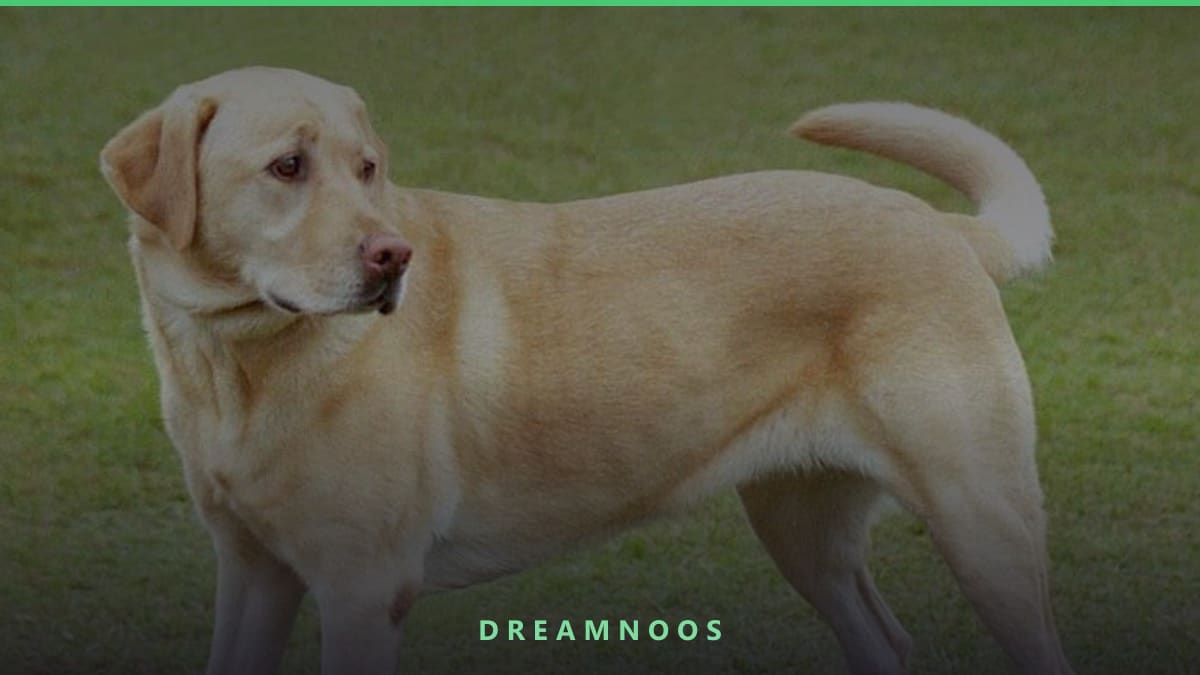
What dog dreams mean (direct answer)
If you searched dog dream meaning, dog bite dream, or dog chasing me:
A dog in a dream usually mirrors trust, loyalty, protection, or boundary conflict in waking relationships.
The same symbol can mean alliance or threat — friendly calm dog vs chase/bite is the main split. It does not predict literal dog events.
What a dog dream means
Dog dreams are social-symbol dreams. A dog approaches, follows, guards, attacks, or accompanies — relational behavior matters more than breed.
Classical readings of dog dreams
Classical literature gives dogs dual valence: calm or useful dog = support/guardianship; hostile dog = persistent low-grade threat. Islamic and Mediterranean sources emphasize context (public bark vs silent home dog vs pursuit).
What dog represents in dreams
- Companion dog — trusted alliance, emotional safety.
- Guard dog — protection, vigilance, defensive posture.
- Chasing or biting dog — boundary violation or avoided conflict.
- Injured or abandoned dog — neglected loyalty or weakened support.
- Pack of dogs — group pressure, social dynamics amplified.
The psychology of dog dreams
Depth psychology reads the dog as instinct in social form: integrated protection vs projected fear/anger. Bite location shifts lane — hand (action/work), leg (direction), face (identity/social image).
Common dog dream scenarios
Friendly dog approaching. Support entering life — calm emotional tone confirms positive lane.
Dog in house dream meaning. Close-circle trust — family, roommate, partner dynamics. Link house.
Dog chasing me dream meaning. Avoided conflict or fear approaching awareness — link chased by dog.
Dog attack or bite dream meaning. Boundary violation — note which body part was bitten.
Black dog dream meaning. Hidden fear, depressive weight, or (Islamic tradition) sinister enemy — link black dog.
Large dog dream meaning. Amplified threat or protection — scale calibrates intensity.
Dog barking repeatedly. Ignored warning already present in waking life.
Lost dog dream. Anxiety about loyalty, responsibility, or attachment.
Rescuing an injured dog. Reclaiming neglected care or protective instinct.
Killing a dog in dream meaning. Ending a loyalty bond or rejecting a threat source — emotional tone determines moral read.
White dog dream meaning. Visible support, reconciliation, trustworthy alliance.
Puppy in dream. Early-stage trust requiring responsibility.
Dog on leash vs unleashed. Controlled vs informal conflict — institution vs personal boundary.
Dead dog in dream. Ending of loyalty cycle — grief around trust.
Feeding a hostile dog that calms. Conflict de-escalation possible with measured response.
Negative vs positive signals
Tilts cautionary: bite with panic, cornered, pack aggression unresolved, recurring chase without escape.
Tilts neutral or positive: calm guard dog, friendly approach, protective growl without attack, rescue with recovery.
Co-occurring symbols
- Dog + house — inner-circle trust (house).
- Dog + wolf — wild vs domestic instinct (wolf).
- Dog + snake — different enemy registers — dignified hidden vs base persistent (snake).
Islamic interpretation (Ibn Sirin summary)
Islamic jurisprudence colours dog symbolism (impurity vs permitted working dogs). DreamNoos summarises descriptively; full framework on Dog dreams in Islam:
| Dream detail | Common Ibn Sirin–school reading |
|---|---|
| Hostile or biting dog | Base enemy, slander, low-dignity attack |
| Barking at dreamer | Verbal attack or false accusation anticipated |
| Black dog | Particularly negative — sinister enemy (some traditions: jinn/Shaytan association) |
| Trained hunting/working dog obeying dreamer | Lawful provision, skill rewarded, permitted assistance |
| Keeping company with dogs | Examine companions of low moral character |
| Being pursued | Persistent enemy; bite = harm in bitten domain |
How to read your dog dream
- Friendly or hostile? Primary split.
- Known or unknown dog? Existing trust network vs emerging risk.
- Where? Home = inner circle; street = social field.
- Bite location? Maps conflict domain.
- Waking trust tension? Who feels loyal, threatening, or boundary-crossing?
What your dog dream is telling you
Dog dreams ask who guards your boundaries and who tests them — not which animal will appear tomorrow.
Name one behavior, one setting, and one waking relationship parallel.
Related: Black dog · Chased by dog · Wolf · Dog symbolism · Dream interpreter
Share Your Dream Experience
Had a similar dream? Share your experience or ask a question — comments appear after moderation.
No comments yet. Be the first to share your experience.