Medieval Manuscripts: Digital Preservation in 2026
How libraries and museums are digitizing medieval manuscripts, making illuminated texts accessible to scholars and the public worldwide.
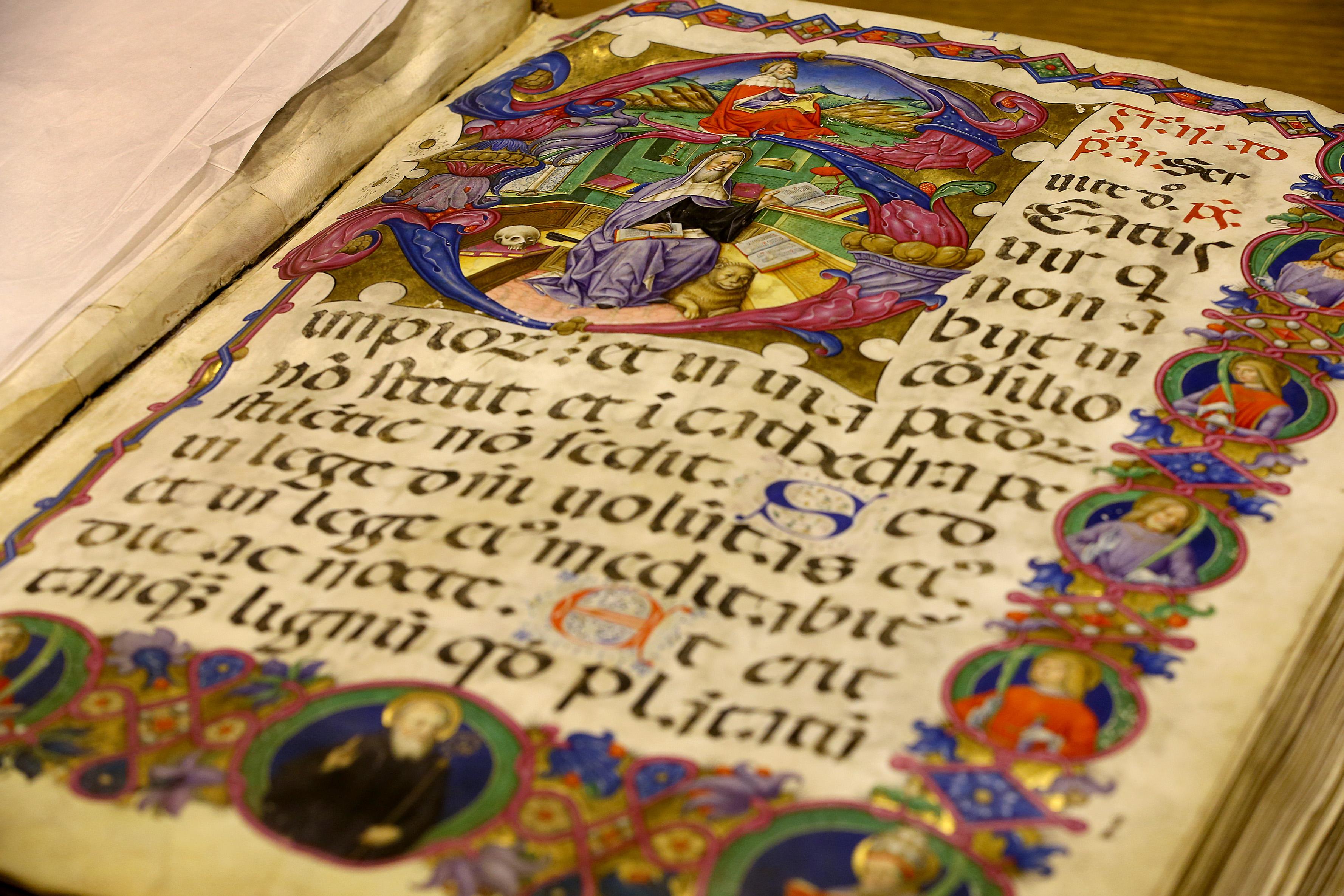
Medieval Manuscripts: Digital Preservation in 2026
Medieval manuscripts are among the most beautiful and fragile artifacts of human culture.
Created by hand in monasteries, scriptoria, and workshops across Europe between roughly 500 and 1500 CE, these books combine text, illustration, and calligraphy in ways that printing never replicated. Illuminated manuscripts glow with gold leaf, vibrant pigments, and intricate designs. Marginalia reveal the personalities of scribes and readers. Margins are filled with fantastical creatures, everyday scenes, and sometimes jokes that still feel fresh centuries later.
But these objects are fragile. Parchment deteriorates. Pigments fade. Bindings break. And most manuscripts are stored in climate-controlled vaults, accessible only to a small number of scholars.
Digital preservation is changing that.
Why digitize medieval manuscripts?
Digitization serves several purposes:
Preservation. High-resolution digital images reduce the need to handle the original. Every physical handling risks damage to parchment, pigments, and bindings. A digital surrogate allows scholars to study the manuscript without touching it.
Access. A manuscript in a library in Oxford, Paris, or Vatican City can now be viewed by a researcher in Tokyo, Buenos Aires, or Cairo. Digital collections democratize access to cultural heritage.
Research. Multispectral imaging can reveal text that is invisible to the naked eye—erased passages, underdrawings, or palimpsests (manuscripts where earlier writing was scraped off to reuse the parchment). Digital tools allow scholars to compare manuscripts side by side, trace scribal hands, and analyze textual variations.
Public engagement. Digitized manuscripts can be featured in online exhibitions, educational materials, and social media, reaching audiences who would never visit a rare books room.
How digitization works
The process involves several steps:
-
Condition assessment. Conservators examine the manuscript to determine if it is stable enough for imaging. Fragile items may need conservation first.
-
Capture. Specialized cameras with controlled lighting capture images at high resolution, often 600 to 1200 dpi. Color calibration ensures accurate reproduction of pigments and gold leaf.
-
Multispectral imaging. Different wavelengths of light (ultraviolet, visible, infrared) reveal features invisible under normal lighting.
-
Processing. Images are color-corrected, stitched together (for large openings), and saved in preservation-quality formats (TIFF) and access formats (JPEG, IIIF).
-
Cataloging. Metadata is created: title, date, origin, scribe, provenance, physical description, and contents.
-
Publication. Images and metadata are made available through library websites, aggregator platforms, and IIIF-compatible viewers.
IIIF: the standard for manuscript access
The International Image Interoperability Framework (IIIF) has become the standard for sharing digitized manuscripts.
IIIF allows different institutions to share images in a consistent way. A researcher can view a manuscript from the British Library alongside one from the Bibliothèque nationale de France in the same viewer, zoom to the same level, and compare details side by side.
IIIF manifests describe the structure of a manuscript—its folios, quires, and sections—making navigation intuitive and scholarly.
Challenges and limitations
Digitization is not without challenges:
Cost. High-quality digitization requires expensive equipment, skilled staff, and ongoing storage costs. Not every library can afford it.
Copyright. While medieval manuscripts themselves are in the public domain, photographs of them may be subject to copyright claims by the holding institution. Policies vary widely.
Selection. With millions of manuscripts in existence, libraries must choose which to digitize first. This means some important works remain undigitized while others receive disproportionate attention.
Digital preservation. Digital files themselves need preservation. Formats become obsolete, storage media fail, and websites disappear. A digitized manuscript requires ongoing digital stewardship just as much as a physical one.
Where to find digitized manuscripts
Several major aggregators make medieval manuscripts accessible:
- Europeana: aggregates digitized cultural heritage from European institutions.
- Digital Scriptorium: a consortium of American libraries with medieval and Renaissance manuscripts.
- The Walters Art Museum: offers free, high-resolution images of its manuscript collection under open licenses.
- The British Library: provides digitized manuscripts through its online catalogue and IIIF viewer.
- Vatican Library: has digitized thousands of manuscripts, including some of the most important medieval works.
Many individual libraries also maintain their own digital collections.
The future of medieval studies
Digital preservation is transforming medieval studies.
Scholars who once traveled to multiple archives to compare manuscripts can now do so from their desks. Students can examine high-resolution images of the Lindisfarne Gospels or the Book of Kells without leaving their classrooms. The public can browse illuminated manuscripts online, discovering the artistry of the medieval world.
But digitization complements—rather than replaces—the physical object. The texture of parchment, the smell of old leather, the weight of a medieval book in your hands: these cannot be captured in pixels.
Digital preservation ensures that these treasures remain accessible for centuries to come, even as the originals grow more fragile.
Sources and Further Reading
- The International Image Interoperability Framework (IIIF) — iiif.io.
- Digital Scriptorium — digitalscriptorium.org.
- Europeana — europeana.eu.
- The Walters Art Museum Manuscripts — art.thewalters.org.
Editorial note: Digitization policies and access terms vary by institution. Always check the specific rights statement for each manuscript.