
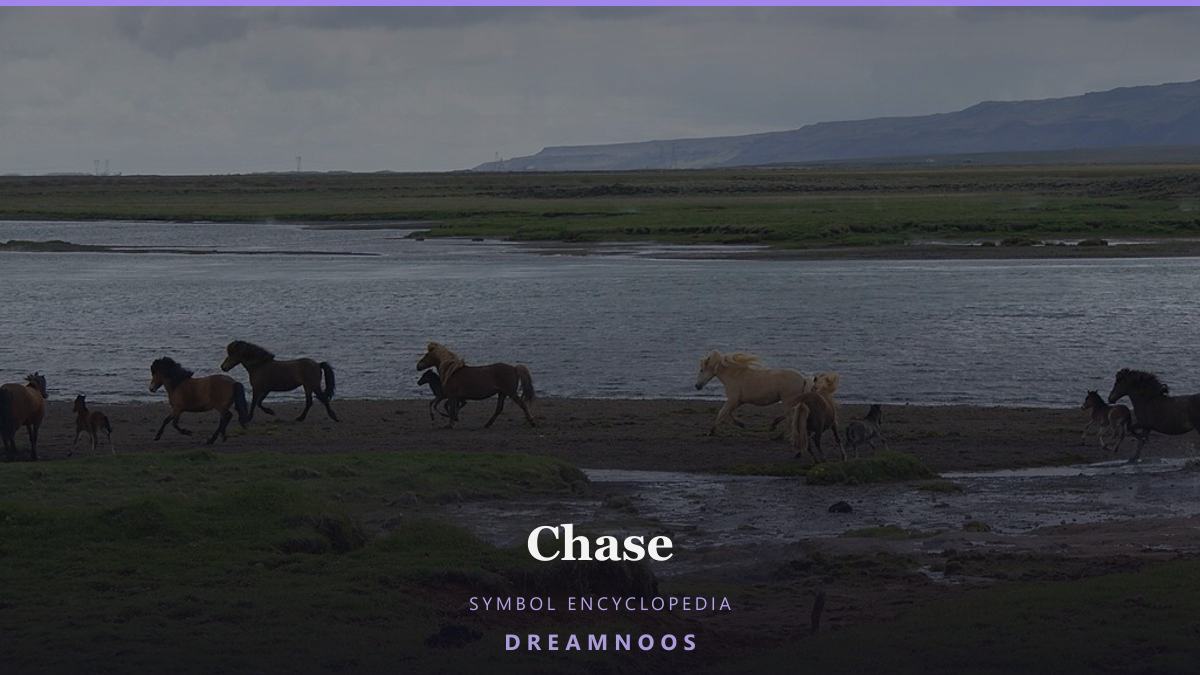
Chase
Being chased in dreams — pursuit, avoidance, anxiety, and what you run from when the pursuer has no face.
Chase dreams are anxiety’s stock footage — heart rate up, legs heavy, door won’t lock. The pursuer morphs: ex, animal, police, shadow, unknown. Symbolically, chase is avoidance made kinetic — the problem runs behind you because you have not turned to face it in daylight.
Classical layers
Fate pursuit. Mythic furies and avengers externalize guilt. Modern chase dreams rarely need Greek names — the feeling suffices.
Instinct animals. Bears, dogs, snakes chasing often map threat you categorize as primitive — rage, appetite, trauma memory.
Authority chase. Police, teachers, bosses — social judgment internalized.
Psychological synthesis
Therapists use chase dreams as prompts: What would happen if you stopped? Some dreamers report chase ending when they confront — a useful imagination exercise, not a rule.
Recurring chase with same pursuer suggests one unresolved theme; rotating pursuers suggest generalized stress load.
Variants
Cannot run fast — helplessness motif paired with chase.
Hide successfully — temporary coping; note cost of hiding.
Catch and harm — acute fear; prioritize waking safety and support if trauma-linked.
Chase others — projected aggression or competitive drive — examine guilt.
Hub aggregation
Over a hundred tagged chase dreams below — combine with running scenes and fear theme. Question hub: why chased.
Tarot and astro mirrors
Nine of Swords for night worry; The Chariot for directed will — optional reflective pairing.
Journal exercise
Name the pursuer in one word, then list three waking topics that word could represent. Delay interpretation until the list exists.
Chase dreams are invitations to turn — not proof that danger is literally behind you.
Cross-tradition snapshot
| Tradition | Chase layer |
|---|---|
| Greek myth | Furies, pursued conscience |
| Horror genre | Primal threat, fight-or-flight |
| Workplace stress | Deadline as pursuer |
| Trauma replay | Body keeping score — seek support |
Distinguish symbolic chase from trauma replay — both valid, different responses.
Pursuer taxonomy
Faceless pursuer — generalized anxiety. Known person — conflict with that relationship or what they represent. Animal — instinct threat (snake, dog, bear). Vehicle — modern fate (train, car) you cannot outrun. Self chasing self — internal split, guilt, competition.
Stopping the chase in-dream — turning, negotiating, waking before capture — often correlates with waking breakthroughs in therapy anecdotes. Not a rule, but worth noting in a journal.
Pairings
Chase plus house — threat inside the self-structure. Chase plus ex — attachment conflict dressed as pursuit. Chase plus flying escape — avoidance with temporary relief.
When to seek human support
Chase nightmares that replay assault, combat, or childhood harm deserve trauma-informed care. Do not force positive interpretation on survival dreams.
Journal prompt
If I stopped running, the pursuer would say ___. Write the line — even if frightening.
Further reading on DreamNoos
Why do I dream about being chased?. Nightmares and anxiety. Nine of Swords and 555 as optional mirrors.
The pursuer is the content
Chase dreams have an unusually consistent structure across dreamers, and the interpretive tradition converges on one point: the dream is rarely about running. It is about what is doing the chasing, and about the fact that the dreamer has chosen flight over confrontation.
That choice is the diagnostic element. In waking life, avoidance is often invisible — it looks like being busy, like reasonable postponement, like a decision not yet ripe. The chase dream renders it literally, and it keeps rendering it for as long as the avoidance continues. This is why recurring chase dreams tend to stop when the avoided thing is addressed, and why they resist every other intervention.
Identified pursuers — a specific person, an employer, a family member — usually point where they appear to, though not always at the individual: often at what that person represents or demands.
Unidentified pursuers are more common and more informative. A shapeless threat, something felt rather than seen, a presence that is never quite visible. These correspond to avoided material the dreamer has not yet named, which is precisely why the dream cannot supply a face for it.
Animal pursuers import the animal’s own vocabulary — a pursuing wolf reads differently from a pursuing snake or lion, and the species is worth reading alongside.
How to read a chase-coded dream
1. Can you identify the pursuer? Naming it is frequently the whole interpretive task.
2. Does it gain on you? Pursuit that closes reads as pressure increasing; pursuit that maintains distance reads as a chronic, stable avoidance.
3. Can you run? The variant in which the legs will not work, or the dreamer moves as though through water, belongs to the paralysis vocabulary and intensifies the helplessness register considerably.
4. Do you ever turn around? The rarest and most significant variant. Dreamers who stop and face the pursuer commonly report that it loses its threat, changes, or speaks — and that the dream does not recur afterwards.
5. What are you avoiding? The most productive question sits outside the dream. Where a chase dream recurs, there is usually a specific, identifiable thing in waking life that the dreamer has been declining to approach.
Explore Chase beyond dreams
This symbol hub covers dream interpretation. You can also explore chase through tarot, astrology, and angel numbers — reflective lenses, not competing truths.
Related tarot cards
Related zodiac signs
Angel numbers
Describe your dream in the interpreter — try keywords like chased running pursuit
Dreams featuring chase
- Chased by a Big Bear in a Dream Chased by a Big Bear in a Dream: what this dream usually means — magnitude layered over bear symbolism, with psychological and classical readings.
- Chased by a Big Wolf in a Dream Chased by a Big Wolf in a Dream: what this dream usually means — magnitude layered over wolf symbolism, with psychological and classical readings.
- Chased by a Black Bear in a Dream Chased by a Black Bear in a Dream: what this dream usually means — the unknown layered over bear symbolism, with psychological and classical readings.
- Chased by a Black Wolf in a Dream Chased by a Black Wolf in a Dream: what this dream usually means — the unknown layered over wolf symbolism, with psychological and classical readings.
- Chased by a Blue Bear in a Dream Chased by a Blue Bear in a Dream: what this dream usually means — distance and calm layered over bear symbolism, with psychological and classical readings.
- Chased by a Blue Wolf in a Dream Chased by a Blue Wolf in a Dream: what this dream usually means — distance and calm layered over wolf symbolism, with psychological and classical readings.
- Chased by a Burning Bear in a Dream Chased by a Burning Bear in a Dream: what this dream usually means — consuming intensity layered over bear symbolism, with psychological and classical readings.
- Chased by a Burning Wolf in a Dream Chased by a Burning Wolf in a Dream: what this dream usually means — consuming intensity layered over wolf symbolism, with psychological and classical readings.
- Chased by a Clean Bear in a Dream Chased by a Clean Bear in a Dream: what this dream usually means — order and integrity layered over bear symbolism, with psychological and classical readings.
- Chased by a Clean Wolf in a Dream Chased by a Clean Wolf in a Dream: what this dream usually means — order and integrity layered over wolf symbolism, with psychological and classical readings.
- Chased by a Crying Bear in a Dream Chased by a Crying Bear in a Dream: what this dream usually means — grief surfacing layered over bear symbolism, with psychological and classical readings.
- Chased by a Crying Wolf in a Dream Chased by a Crying Wolf in a Dream: what this dream usually means — grief surfacing layered over wolf symbolism, with psychological and classical readings.
- Chased by a Dead Bear in a Dream Chased by a Dead Bear in a Dream: what this dream usually means — finality layered over bear symbolism, with psychological and classical readings.
- Chased by a Dead Wolf in a Dream Chased by a Dead Wolf in a Dream: what this dream usually means — finality layered over wolf symbolism, with psychological and classical readings.
- Chased by a Dirty Bear in a Dream Chased by a Dirty Bear in a Dream: what this dream usually means — contamination layered over bear symbolism, with psychological and classical readings.
- Chased by a Dirty Wolf in a Dream Chased by a Dirty Wolf in a Dream: what this dream usually means — contamination layered over wolf symbolism, with psychological and classical readings.
- Chased by a Dying Bear in a Dream Chased by a Dying Bear in a Dream: what this dream usually means — transition in progress layered over bear symbolism, with psychological and classical readings.
- Chased by a Dying Wolf in a Dream Chased by a Dying Wolf in a Dream: what this dream usually means — transition in progress layered over wolf symbolism, with psychological and classical readings.
- Falling While Chased by a Bear in a Dream Falling While Chased by a Bear: what this dream usually means — lost support layered over bear symbolism, with psychological and classical readings.
- Falling While Chased by a Wolf in a Dream Falling While Chased by a Wolf: what this dream usually means — lost support layered over wolf symbolism, with psychological and classical readings.
- Chased by a Flying Bear in a Dream Chased by a Flying Bear in a Dream: what this dream usually means — escape and perspective layered over bear symbolism, with psychological and classical readings.
- Chased by a Flying Wolf in a Dream Chased by a Flying Wolf in a Dream: what this dream usually means — escape and perspective layered over wolf symbolism, with psychological and classical readings.
- Chased by a Golden Bear in a Dream Chased by a Golden Bear in a Dream: what this dream usually means — idealisation layered over bear symbolism, with psychological and classical readings.
- Chased by a Golden Wolf in a Dream Chased by a Golden Wolf in a Dream: what this dream usually means — idealisation layered over wolf symbolism, with psychological and classical readings.
- Chased by a Green Bear in a Dream Chased by a Green Bear in a Dream: what this dream usually means — growth and renewal layered over bear symbolism, with psychological and classical readings.
- Chased by a Green Wolf in a Dream Chased by a Green Wolf in a Dream: what this dream usually means — growth and renewal layered over wolf symbolism, with psychological and classical readings.
- Chased by a Bear While Lost in a Dream Chased by a Bear While Lost: what this dream usually means — disorientation layered over bear symbolism, with psychological and classical readings.
- Chased by a Wolf While Lost in a Dream Chased by a Wolf While Lost: what this dream usually means — disorientation layered over wolf symbolism, with psychological and classical readings.
- Chased by a Pregnant Bear in a Dream Chased by a Pregnant Bear in a Dream: what this dream usually means — potential forming layered over bear symbolism, with psychological and classical readings.
- Chased by a Pregnant Wolf in a Dream Chased by a Pregnant Wolf in a Dream: what this dream usually means — potential forming layered over wolf symbolism, with psychological and classical readings.
- Chased by a Red Bear in a Dream Chased by a Red Bear in a Dream: what this dream usually means — urgency layered over bear symbolism, with psychological and classical readings.
- Chased by a Red Wolf in a Dream Chased by a Red Wolf in a Dream: what this dream usually means — urgency layered over wolf symbolism, with psychological and classical readings.
- Running Away from a Bear in a Dream Running Away from a Bear in a Dream: what this dream usually means — momentum layered over bear symbolism, with psychological and classical readings.
- Running Away from a Wolf in a Dream Running Away from a Wolf in a Dream: what this dream usually means — momentum layered over wolf symbolism, with psychological and classical readings.
- Chased by a Silver Bear in a Dream Chased by a Silver Bear in a Dream: what this dream usually means — quiet value layered over bear symbolism, with psychological and classical readings.
- Chased by a Silver Wolf in a Dream Chased by a Silver Wolf in a Dream: what this dream usually means — quiet value layered over wolf symbolism, with psychological and classical readings.
- Chased by a Small Bear in a Dream Chased by a Small Bear in a Dream: what this dream usually means — reduction layered over bear symbolism, with psychological and classical readings.
- Chased by a Small Wolf in a Dream Chased by a Small Wolf in a Dream: what this dream usually means — reduction layered over wolf symbolism, with psychological and classical readings.
- Chased by a White Bear in a Dream Chased by a White Bear in a Dream: what this dream usually means — clarity and exposure layered over bear symbolism, with psychological and classical readings.
- Chased by a White Wolf in a Dream Chased by a White Wolf in a Dream: what this dream usually means — clarity and exposure layered over wolf symbolism, with psychological and classical readings.
- Chased by a Yellow Bear in a Dream Chased by a Yellow Bear in a Dream: what this dream usually means — caution layered over bear symbolism, with psychological and classical readings.
- Chased by a Yellow Wolf in a Dream Chased by a Yellow Wolf in a Dream: what this dream usually means — caution layered over wolf symbolism, with psychological and classical readings.
- Chased by a Big Dog in a Dream Chased by a Big Dog in a Dream: what this dream usually means — magnitude layered over dog symbolism, with psychological and classical readings.
- Chased by a Big Lion in a Dream Chased by a Big Lion in a Dream: what this dream usually means — magnitude layered over lion symbolism, with psychological and classical readings.
- Chased by a Big Snake in a Dream Chased by a Big Snake in a Dream: what this dream usually means — magnitude layered over snake symbolism, with psychological and classical readings.
- Chased by a Black Lion in a Dream Chased by a Black Lion in a Dream: what this dream usually means — the unknown layered over lion symbolism, with psychological and classical readings.
- Chased by a Blue Dog in a Dream Chased by a Blue Dog in a Dream: what this dream usually means — distance and calm layered over dog symbolism, with psychological and classical readings.
- Chased by a Blue Lion in a Dream Chased by a Blue Lion in a Dream: what this dream usually means — distance and calm layered over lion symbolism, with psychological and classical readings.
- Chased by a Blue Snake in a Dream Chased by a Blue Snake in a Dream: what this dream usually means — distance and calm layered over snake symbolism, with psychological and classical readings.
- Chased by a Burning Dog in a Dream Chased by a Burning Dog in a Dream: what this dream usually means — consuming intensity layered over dog symbolism, with psychological and classical readings.
- Chased by a Burning Lion in a Dream Chased by a Burning Lion in a Dream: what this dream usually means — consuming intensity layered over lion symbolism, with psychological and classical readings.
- Chased by a Burning Snake in a Dream Chased by a Burning Snake in a Dream: what this dream usually means — consuming intensity layered over snake symbolism, with psychological and classical readings.
- Chased by a Clean Dog in a Dream Chased by a Clean Dog in a Dream: what this dream usually means — order and integrity layered over dog symbolism, with psychological and classical readings.
- Chased by a Clean Lion in a Dream Chased by a Clean Lion in a Dream: what this dream usually means — order and integrity layered over lion symbolism, with psychological and classical readings.
- Chased by a Clean Snake in a Dream Chased by a Clean Snake in a Dream: what this dream usually means — order and integrity layered over snake symbolism, with psychological and classical readings.
- Chased by a Crying Dog in a Dream Chased by a Crying Dog in a Dream: what this dream usually means — grief surfacing layered over dog symbolism, with psychological and classical readings.
- Chased by a Crying Lion in a Dream Chased by a Crying Lion in a Dream: what this dream usually means — grief surfacing layered over lion symbolism, with psychological and classical readings.
- Chased by a Crying Snake in a Dream Chased by a Crying Snake in a Dream: what this dream usually means — grief surfacing layered over snake symbolism, with psychological and classical readings.
- Chased by a Dead Dog in a Dream Chased by a Dead Dog in a Dream: what this dream usually means — finality layered over dog symbolism, with psychological and classical readings.
- Chased by a Dead Lion in a Dream Chased by a Dead Lion in a Dream: what this dream usually means — finality layered over lion symbolism, with psychological and classical readings.
- Chased by a Dead Snake in a Dream Chased by a Dead Snake in a Dream: what this dream usually means — finality layered over snake symbolism, with psychological and classical readings.
- Chased by a Dirty Dog in a Dream Chased by a Dirty Dog in a Dream: what this dream usually means — contamination layered over dog symbolism, with psychological and classical readings.
- Chased by a Dirty Lion in a Dream Chased by a Dirty Lion in a Dream: what this dream usually means — contamination layered over lion symbolism, with psychological and classical readings.
- Chased by a Dirty Snake in a Dream Chased by a Dirty Snake in a Dream: what this dream usually means — contamination layered over snake symbolism, with psychological and classical readings.
- Chased by a Dying Dog in a Dream Chased by a Dying Dog in a Dream: what this dream usually means — transition in progress layered over dog symbolism, with psychological and classical readings.
- Chased by a Dying Lion in a Dream Chased by a Dying Lion in a Dream: what this dream usually means — transition in progress layered over lion symbolism, with psychological and classical readings.
- Chased by a Dying Snake in a Dream Chased by a Dying Snake in a Dream: what this dream usually means — transition in progress layered over snake symbolism, with psychological and classical readings.
- Falling While Chased by a Dog in a Dream Falling While Chased by a Dog: what this dream usually means — lost support layered over dog symbolism, with psychological and classical readings.
- Falling While Chased by a Lion in a Dream Falling While Chased by a Lion: what this dream usually means — lost support layered over lion symbolism, with psychological and classical readings.
- Falling While Chased by a Snake in a Dream Falling While Chased by a Snake: what this dream usually means — lost support layered over snake symbolism, with psychological and classical readings.
- Chased by a Flying Dog in a Dream Chased by a Flying Dog in a Dream: what this dream usually means — escape and perspective layered over dog symbolism, with psychological and classical readings.
- Chased by a Flying Lion in a Dream Chased by a Flying Lion in a Dream: what this dream usually means — escape and perspective layered over lion symbolism, with psychological and classical readings.
- Chased by a Flying Snake in a Dream Chased by a Flying Snake in a Dream: what this dream usually means — escape and perspective layered over snake symbolism, with psychological and classical readings.
- Chased by a Golden Dog in a Dream Chased by a Golden Dog in a Dream: what this dream usually means — idealisation layered over dog symbolism, with psychological and classical readings.
- Chased by a Golden Lion in a Dream Chased by a Golden Lion in a Dream: what this dream usually means — idealisation layered over lion symbolism, with psychological and classical readings.
- Chased by a Golden Snake in a Dream Chased by a Golden Snake in a Dream: what this dream usually means — idealisation layered over snake symbolism, with psychological and classical readings.
- Chased by a Green Dog in a Dream Chased by a Green Dog in a Dream: what this dream usually means — growth and renewal layered over dog symbolism, with psychological and classical readings.
- Chased by a Green Lion in a Dream Chased by a Green Lion in a Dream: what this dream usually means — growth and renewal layered over lion symbolism, with psychological and classical readings.
- Chased by a Green Snake in a Dream Chased by a Green Snake in a Dream: what this dream usually means — growth and renewal layered over snake symbolism, with psychological and classical readings.
- Chased by a Dog While Lost in a Dream Chased by a Dog While Lost: what this dream usually means — disorientation layered over dog symbolism, with psychological and classical readings.
- Chased by a Lion While Lost in a Dream Chased by a Lion While Lost: what this dream usually means — disorientation layered over lion symbolism, with psychological and classical readings.
- Chased by a Snake While Lost in a Dream Chased by a Snake While Lost: what this dream usually means — disorientation layered over snake symbolism, with psychological and classical readings.
- Chased by a Pregnant Dog in a Dream Chased by a Pregnant Dog in a Dream: what this dream usually means — potential forming layered over dog symbolism, with psychological and classical readings.
- Chased by a Pregnant Lion in a Dream Chased by a Pregnant Lion in a Dream: what this dream usually means — potential forming layered over lion symbolism, with psychological and classical readings.
- Chased by a Pregnant Snake in a Dream Chased by a Pregnant Snake in a Dream: what this dream usually means — potential forming layered over snake symbolism, with psychological and classical readings.
- Chased by a Red Dog in a Dream Chased by a Red Dog in a Dream: what this dream usually means — urgency layered over dog symbolism, with psychological and classical readings.
- Chased by a Red Lion in a Dream Chased by a Red Lion in a Dream: what this dream usually means — urgency layered over lion symbolism, with psychological and classical readings.
- Chased by a Red Snake in a Dream Chased by a Red Snake in a Dream: what this dream usually means — urgency layered over snake symbolism, with psychological and classical readings.
- Running Away from a Dog in a Dream Running Away from a Dog in a Dream: what this dream usually means — momentum layered over dog symbolism, with psychological and classical readings.
- Running Away from a Lion in a Dream Running Away from a Lion in a Dream: what this dream usually means — momentum layered over lion symbolism, with psychological and classical readings.
- Running Away from a Snake in a Dream Running Away from a Snake in a Dream: what this dream usually means — momentum layered over snake symbolism, with psychological and classical readings.
- Chased by a Silver Dog in a Dream Chased by a Silver Dog in a Dream: what this dream usually means — quiet value layered over dog symbolism, with psychological and classical readings.
- Chased by a Silver Lion in a Dream Chased by a Silver Lion in a Dream: what this dream usually means — quiet value layered over lion symbolism, with psychological and classical readings.
- Chased by a Silver Snake in a Dream Chased by a Silver Snake in a Dream: what this dream usually means — quiet value layered over snake symbolism, with psychological and classical readings.
- Chased by a Small Dog in a Dream Chased by a Small Dog in a Dream: what this dream usually means — reduction layered over dog symbolism, with psychological and classical readings.
- Chased by a Small Lion in a Dream Chased by a Small Lion in a Dream: what this dream usually means — reduction layered over lion symbolism, with psychological and classical readings.
- Chased by a Small Snake in a Dream Chased by a Small Snake in a Dream: what this dream usually means — reduction layered over snake symbolism, with psychological and classical readings.
- Chased by a White Dog in a Dream Chased by a White Dog in a Dream: what this dream usually means — clarity and exposure layered over dog symbolism, with psychological and classical readings.
- Chased by a White Lion in a Dream Chased by a White Lion in a Dream: what this dream usually means — clarity and exposure layered over lion symbolism, with psychological and classical readings.
- Chased by a White Snake in a Dream Chased by a White Snake in a Dream: what this dream usually means — clarity and exposure layered over snake symbolism, with psychological and classical readings.
- Chased by a Yellow Dog in a Dream Chased by a Yellow Dog in a Dream: what this dream usually means — caution layered over dog symbolism, with psychological and classical readings.
- Chased by a Yellow Lion in a Dream Chased by a Yellow Lion in a Dream: what this dream usually means — caution layered over lion symbolism, with psychological and classical readings.
- Chased by a Yellow Snake in a Dream Chased by a Yellow Snake in a Dream: what this dream usually means — caution layered over snake symbolism, with psychological and classical readings.
- Chased by a Dog in a Dream Chased-by-dog dreams compress pursuit—fear on your heels, loyalty turned threat, and whatever you refuse to stop and face in daylight.
- Being Chased by a Lion in a Dream A sharp interpretation of being chased by a lion dreams through avoidance cycles, authority fear, urgency, and unprocessed threat.
- Being Chased by a Snake in a Dream An interpretation of snake-chase dreams through avoidance pressure, hidden fear activation, and delayed confrontation.
- Chased by Wolf in a Dream A focused interpretation of being chased by wolf dreams through avoidance patterns, fear escalation, and delayed confrontation.
- Dog Attack in a Dream A structured interpretation of dog attack dreams through boundary breach, trust rupture, defensive instinct, and emotional overload.
Share Your Dream Experience
Had a similar dream? Share your experience or ask a question — comments appear after moderation.
No comments yet. Be the first to share your experience.