Multi-Generational Households: Why More Families Are Living Together Again
Multi-generational living is rising in the US, UK, and globally ” driven by housing costs, elder care needs, and cultural shifts. A practical look at the benefits, challenges, and how to make shared households work.
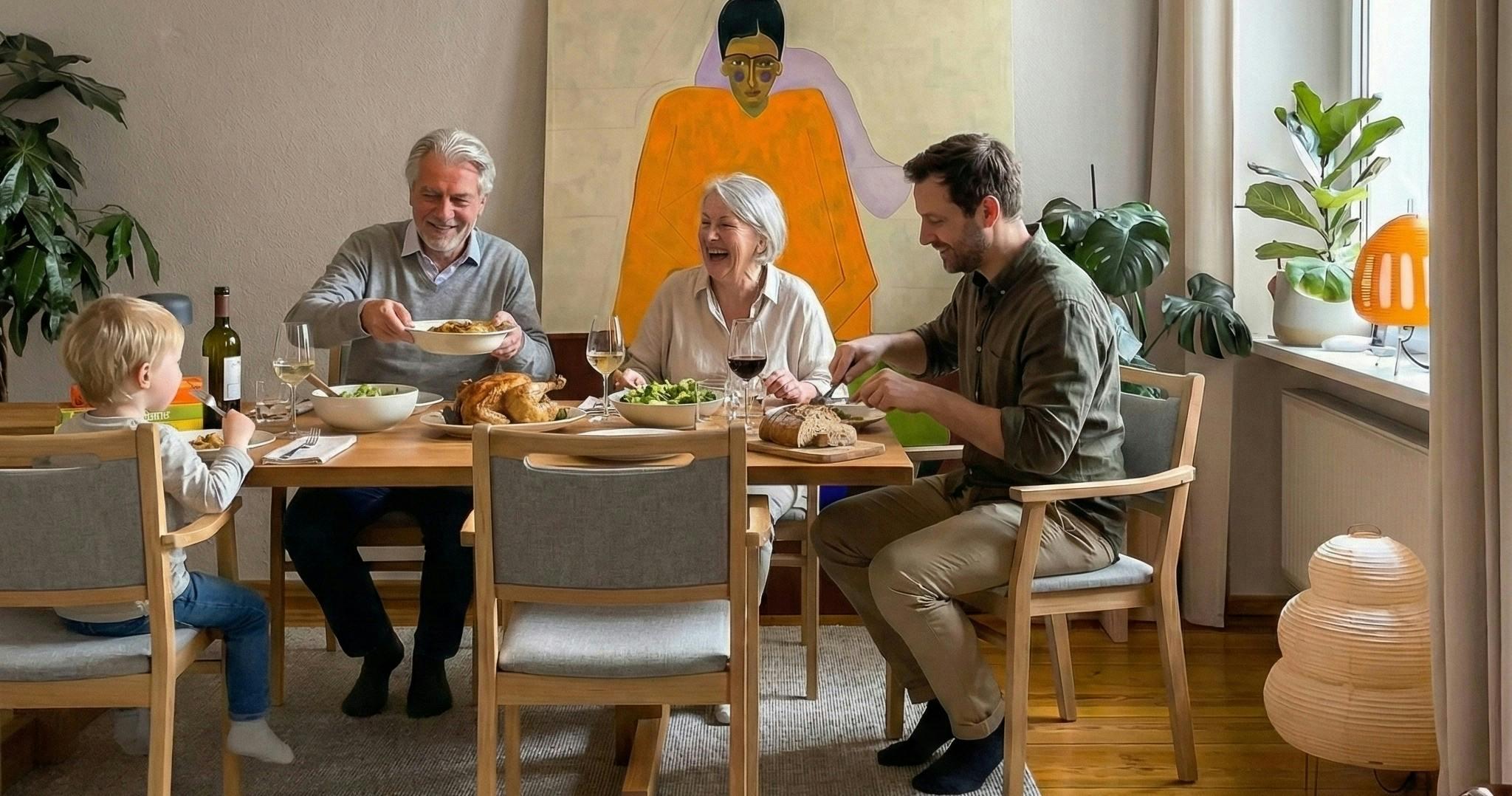
Multi-Generational Households: Why More Families Are Living Together Again
For much of the 20th century, the ideal family home in Western societies was nuclear: two parents, their children, and a clear boundary between generations. Grandparents lived elsewhere. Adult children moved out. Independence was measured by physical separation.
That model is cracking. Across the United States, the United Kingdom, Canada, and many other countries, multi-generational households " homes where two or more adult generations live together, or grandparents live with grandchildren " are growing again. In the US alone, the share of Americans living in multi-generational households has quadrupled since the 1970s, reaching roughly one in four people by recent estimates.
The reasons are economic, demographic, and cultural: housing costs that outpace wages, aging populations needing care, adult children delaying homeownership, and immigrant communities where shared living never fully disappeared. But the resurgence is not just about necessity. For many families, it is a deliberate choice " and one that comes with real benefits as well as real tensions.
Why Multi-Generational Living Is Growing
Housing costs. In many markets, neither young adults nor retirees can afford independent housing on a single income. Buying a home has become unaffordable for large segments of the population, especially in cities. Renting alone often means spending 40-50% of income on housing. Pooling resources across generations makes better housing possible.
Elder care. As populations age, more families face decisions about where older parents should live. Assisted living and nursing homes are expensive " often $4,000-$8,000 per month in the US " and many families prefer to keep elders at home for both emotional and financial reasons.
Childcare. Grandparents who live nearby or in the same home can provide reliable, trusted childcare. For dual-income households, this reduces the staggering cost of formal childcare and offers flexibility that daycare centers cannot.
Cultural continuity. In many immigrant and minority communities, multi-generational living was never unusual. As these communities grow and as broader society becomes more accepting of diverse family structures, shared housing is losing its stigma.
The pandemic effect. COVID-19 accelerated the trend. Adult children moved back home during lockdowns. Families formed “bubbles” across generations. Some arrangements proved durable enough to become permanent.
The Benefits: What Shared Living Offers
Financial efficiency. One mortgage or rent payment, one set of utilities, one grocery bill " shared across two or three adult incomes " stretches further than three separate households. Families report saving hundreds or thousands per month.
Built-in support. An elderly parent with mobility issues has help nearby. A new parent has experienced caregivers in the next room. A teenager has adults other than their parents to talk to. These informal support networks reduce stress and isolation.
Caregiving continuity. When grandparents live with family, care transitions are smoother. There is no abrupt move from independent living to assisted living. Family members can monitor health, manage medications, and respond to emergencies in real time.
Intergenerational relationships. Children grow up knowing their grandparents as daily presences, not occasional visitors. Adult children develop more mature relationships with their own parents, seeing them as people rather than just authority figures.
Cultural transmission. Language, recipes, stories, and traditions pass more naturally through daily cohabitation than through scheduled visits.
The Challenges: Where Tension Emerges
Privacy. This is the most common complaint. Adults accustomed to independent living may feel watched, judged, or micromanaged. Grandparents may feel their routines disrupted. Children may lack space of their own.
Parenting boundaries. When grandparents live in the home, disagreements over discipline, screen time, diet, and bedtime can become daily flashpoints. Who has the final say? How do parents assert authority without disrespecting their elders?
Financial ambiguity. Who pays for what? If grandparents contribute to the mortgage, do they have a say in household decisions? If adult children pay rent, are they tenants or family? Unclear financial arrangements breed resentment.
Caregiver burnout. Adult children who manage their parents’ medical appointments, medications, and daily needs while also working and raising children can burn out quickly. Without external support, the burden concentrates on one person.
Different lifestyles. Sleep schedules, cleanliness standards, noise tolerance, social habits " decades of independent living create entrenched habits that do not always blend smoothly.
Making It Work: Practical Strategies
Define spaces. Ideally, each generation has some private territory " a separate bedroom, a sitting area, or at minimum a designated corner. Physical boundaries reduce psychological friction.
Have the money conversation early. Write down who pays for rent, utilities, groceries, and repairs. Decide whether contributions are proportional to income or equal per person. Review the arrangement quarterly.
Clarify parenting roles. Parents should make the final decisions about their children, while grandparents can offer input without overriding. Agree in advance on non-negotiables (safety, education) versus flexible areas (treats, bedtime on weekends).
Schedule togetherness and apartness. Family dinners several nights a week build connection. But everyone also needs time alone. Respect closed doors and quiet hours.
Use external help when needed. Professional cleaners, meal delivery, respite care, or adult day programs reduce the burden on family caregivers. Accepting help is not failure " it is sustainability.
Revisit the arrangement. Multi-generational living is not static. Children grow up. Parents age. Circumstances change. Review the living situation every six to twelve months and adjust as needed.
Who Is It Best For?
Multi-generational living works well when:
- All adults voluntarily agree to the arrangement
- There is at least some private space for each generation
- Financial contributions are clear and fair
- Communication is direct and respectful
- Outside support exists for caregiving when needed
It works poorly when:
- One generation feels forced into the arrangement
- There is no privacy or personal space
- Financial expectations are unspoken or unequal
- Historical family conflicts remain unresolved
- Care needs exceed what family can provide without professional support
The Bigger Picture
The return of multi-generational living reflects broader shifts: the decline of affordable single-person housing, the aging of societies, and a reexamination of whether independence should always mean separation. It is not a return to the past but an adaptation to present realities.
For some families, shared housing is a temporary bridge " adult children saving for a down payment, or parents recovering from illness. For others, it is a permanent preference. Either way, it challenges the assumption that a successful family life requires separate households.
The question is no longer whether multi-generational living is “normal.” The question is how to make it work well.
Frequently Asked Questions
How common are multi-generational households? In the United States, about 26% of Americans (roughly 60-65 million people) live in multi-generational households, according to Pew Research Center data. The share has grown steadily since the 1970s.
What are the main financial benefits? Shared housing costs, reduced childcare expenses through grandparent care, pooled resources for better housing, and shared groceries and utilities.
What are the biggest challenges? Lack of privacy, parenting boundary conflicts, unclear financial arrangements, and caregiver burnout for the middle generation.
How do you set boundaries in a multi-generational home? Define private spaces, have explicit conversations about parenting roles and financial contributions, schedule regular family check-ins, and respect each person’s need for alone time.
Is multi-generational living good for elderly parents? It can be " offering companionship, daily support, and familiarity " but it depends on the parents’ health, the family dynamic, and whether professional caregiving support is available when needed.