
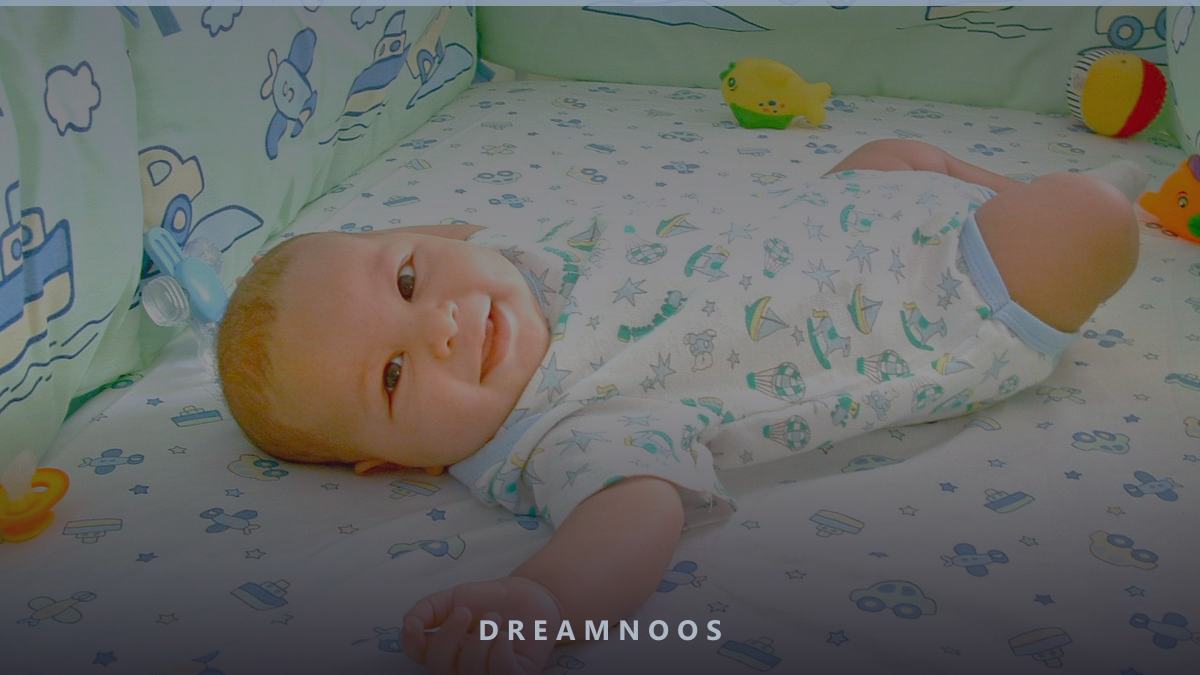
What a baby dream means
Baby dreams are beginning-phase dreams. They usually concern fragile emergence: new roles, early projects, emotional repair, or relational responsibility that needs sustained care.
Classical readings of baby dreams
Classical readings often treat baby imagery as both blessing and burden. The symbol can indicate new mercy, increase, and joy, but also responsibility, anxiety, and dependency pressure.
Baby symbolism
- Healthy baby -> viable beginning.
- Crying baby -> unmet need or delayed care.
- Lost baby -> fear of failing duty.
- Sleeping baby -> protected potential.
The psychology of baby dreams
Psychologically, baby imagery often represents what is new and not yet robust in the dreamer’s life. It can reflect creativity, emotional healing, role transition, or attachment recalibration.
How context changes a baby dream
- Holding baby suggests active stewardship.
- Searching for baby may indicate anxiety about responsibility.
- Baby in unsafe place indicates vulnerability under pressure.
- Baby smiling can indicate coherent and supported growth.
Positive/negative interpretation conditions
Positive reading strengthens when care is present and the baby is safe. Cautionary reading strengthens when neglect, panic, or repeated loss motifs appear without resolution.
Common baby dream scenarios
- Holding a baby carefully. Responsible new beginning.
- Crying baby at night. Ignored emotional needs surfacing.
- Losing then finding baby. Recovery of neglected priority.
- Feeding a baby. Sustained care and growth support.
Non-obvious interpretive insights
- Baby dreams often signal timeline mismatch: responsibility has started before confidence catches up.
- Crying intensity and dreamer response speed are key variables.
- A quiet baby can indicate healthy containment or emotional withdrawal, depending on tone.
- Shared baby-care scenes often map to trust in collaboration.
- Repeated baby-loss themes can reflect perfectionism and fear of irreversibility.
- Baby in public settings may amplify judgment anxiety.
- Protection rituals in dream can signal growing internal readiness.
- Fatigue motifs often indicate care-load imbalance, not weak commitment.
Emotional branching
- Baby + tenderness -> attuned care and meaningful connection.
- Baby + fear -> responsibility overload concern.
- Baby + relief -> acceptance of new role.
- Baby + shame -> fear of inadequate caregiving.
High-intent variants (micro-intent map)
- Crying baby dream meaning: unmet needs and delayed response.
- Holding baby dream meaning: readiness for stewardship.
- Losing baby dream meaning: fear of failing fragile responsibility.
- Sleeping baby dream meaning: protected but early-stage potential.
- Baby in danger dream meaning: urgency around care boundaries.
- Smiling baby dream meaning: supported growth trajectory.
Comparative cultural lens
- Islamic readings: blessing with duty, increase with trust.
- Jungian readings: emerging self-content and developmental vulnerability.
- Christian readings: innocence, trust, and formative grace.
- Persian lens: lineage hope, tenderness, and care ethics.
Observed recurring patterns
- Recurring crying-baby dreams are frequently reported during periods of delayed self-care and emotional backlog.
- Repeated baby-protection dreams often appear when the dreamer is stabilizing a new identity role.
- Loss-and-recovery baby cycles commonly track progress in responsibility tolerance.
Common co-occurring symbols
- Baby + house: private caregiving structure and family role design.
- Baby + water: emotional sensitivity and nurturance lane.
- Baby + mother/father figures: inherited care patterns and role learning.
Interpretive contradictions
- Not every baby dream is soft and positive; some reveal unsustainable caregiving load.
- Distressing baby dreams are not always warnings of failure; they can indicate active adaptation under pressure.
Case-observation notes
- Repeated baby dreams often become less chaotic once the dreamer simplifies commitments and clarifies support systems.
Entity psychology — baby
Social mirror — baby reflects role, status, or shadow in others. Known vs type — Specific person vs archetypal baby figure changes read. Power balance — Who leads, follows, or threatens in the baby scene. Projection — Traits you assign to baby may be disowned self. Work vs home — Context around baby separates professional and private. Emotional charge — Attraction, rivalry, or indifference toward baby primes tone.
Traits to track: instinct, wild mirror, unclassified creature.
What baby represents in dreams
- Core baby symbol — Your waking associations to baby anchor the read before any glossary.
- Setting layer — Home, travel, work, or nature calibrates tone and scale.
- Your role — Witness, cause, rescuer, or fugitive shifts agency.
- Emotion on waking — Fear, grief, relief, or shame tilts integration vs avoidance.
- Vs cluster links — Compare related hub pages in your graph—not interchangeable symbols.
Extended psychological read
People-symbol dreams like Baby in a Dream spike with work hierarchy, rivalry, or approval hunger. Baby carries instinct; whether you speak, follow, or confront shifts the read.
Baby dreams across cultures and traditions
Spiritual readings of baby dreams emphasise symbolic transition and inner meaning rather than literal prediction. DreamNoos records this descriptively for readers who already think in those terms.
Stranger vs known figure splits archetype from biography—classical crowd scenes warn of public opinion; modern read adds workplace hierarchy and social comparison.
More baby dream scenarios
Child version of baby. Memory or regression layer.
Deceased baby appears. Grief or message exception—culture matters.
Reunion with baby. Longing or closure—emotion on waking leads.
You become baby. Role identification or shadow integration.
Stranger as baby archetype. Role not biography—note behavior.
Crowd with baby center. Social mirror—public opinion theme.
Baby in authority over you. Power balance—approval or fear.
Baby leaves without goodbye. Abandonment fear fair to name.
Baby ignores you. Rejection or autonomy—your role in scene.
Known baby acts out of character. Relationship tension or projection.
Negative signals vs positive signals
| Signal type | Scene cue | Read |
|---|---|---|
| Strain | Panic, no action | Anxiety loop on baby |
| Strain | Stranger baby, no context | Archetype overload |
| Repair | Care or rescue acted | Agency after {attr} |
| Repair | Calm after naming feeling | Integration arc |
How to read your baby dream
- Opening image — First thing you remember about baby.
- Conflict point — When {attr} became visible on baby.
- Support or isolation — Help present or alone with baby.
- Body signal — Where you felt it waking (chest, gut, throat).
- Fair read — Symbol first; check facts only if worry persists.
More baby dream questions
Vs similar symbols? Baby psychology differs from swap-in entities—use cluster contrasts.
Childhood memory of baby? Personal history outweighs generic omen lists.
Nightmare vs curious dream? Waking emotion calibrates threat, not dictionary alone.
Recurring baby? Track one waking theme per week—pattern over single night.
What your baby dream is telling you
Name one role you played, one emotion on waking, and one waking link to baby. Revisit cluster pages when baby repeats—integration beats prophecy spiral.
Snippet-oriented recap
Baby dreams map instinct, wild mirror, unclassified creature through scene context. Link related hub entries—not fixed omen gloss alone.
Share Your Dream Experience
Had a similar dream? Share your experience or ask a question — comments appear after moderation.
No comments yet. Be the first to share your experience.